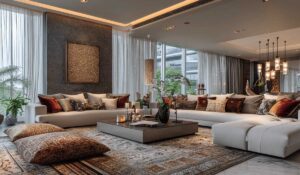
Discover how the right wall colors can transform small rooms, enhance light, and create a more open, spacious interior.
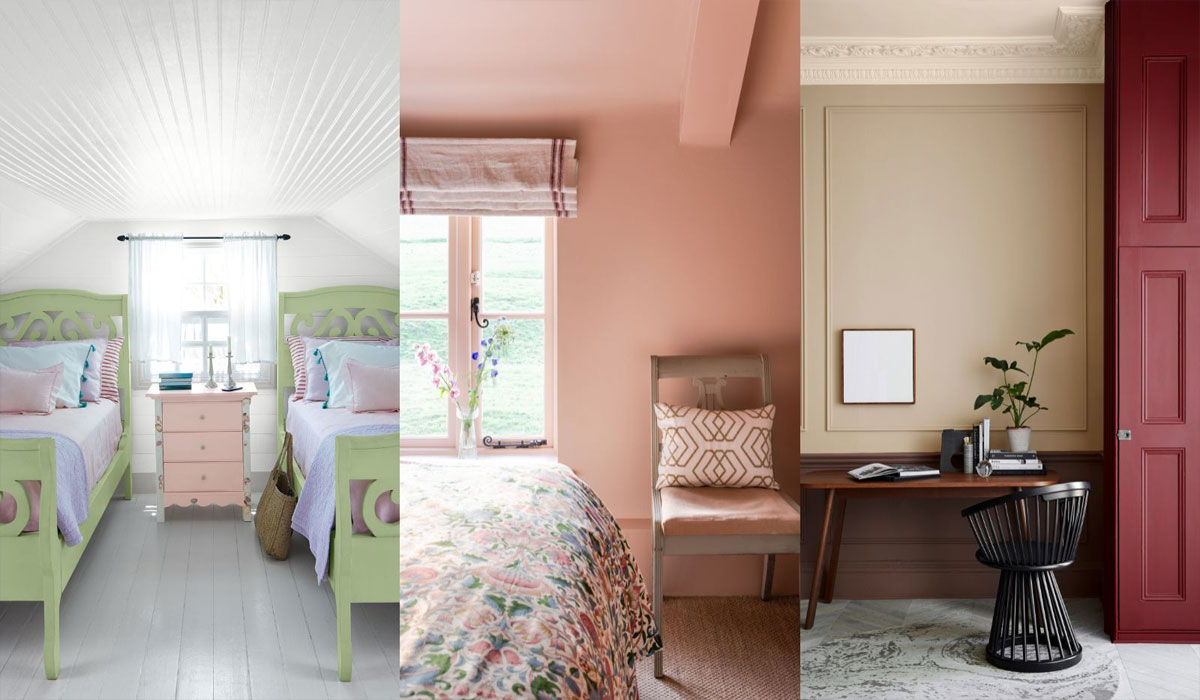
Creating the illusion of space is one of the most powerful tricks in interior design, and wall color plays a starring role. Even the smallest room can feel open, airy, and welcoming when the right shades are used thoughtfully. Color doesn’t just decorate a space; it shapes how we perceive its size, depth, and atmosphere. By understanding how different hues interact with light and architecture, you can transform cramped interiors into rooms that breathe. Below Urban Living Insight will provide interesting information that you must know.
Light Colors And The Art Of Visual Expansion
Light colors have long been favored for making rooms look larger, and for good reason. Shades like soft whites, pale grays, creams, and light pastels reflect more light than darker tones. This reflection reduces shadows and visually pushes walls outward, creating a sense of openness. When light bounces easily around a room, boundaries feel less defined, and the space appears more expansive.
Beyond simple white, subtle variations can add warmth or personality without shrinking the room. A whisper of beige, blush, or sage can keep the room from feeling sterile while still maintaining that spacious effect. The key is to avoid heavy saturation. Muted tones allow the eye to travel smoothly across the room, which enhances the feeling of continuity and space.
The Power Of Cool Tones And Visual Depth
Cool colors such as blues, greens, and soft lavenders have a natural ability to recede visually. This means they appear to move away from the viewer, subtly increasing the perceived depth of a room. When applied to walls, cool tones can make them feel farther apart than they actually are, which is especially effective in narrow or boxy spaces.
Light cool shades are particularly effective in rooms with limited natural light. A pale blue or gray-green can introduce calmness while still opening up the room. These colors also tend to feel fresh and soothing, which helps reduce the sense of confinement. The psychological effect of cool colors, often associated with open skies and water, further reinforces the illusion of spaciousness.
Using Color Continuity To Blur Boundaries
One often overlooked technique for enlarging a room visually is maintaining color continuity. When walls, ceilings, and even trim are painted in closely related shades, the eye doesn’t stop at sharp contrasts. This lack of visual interruption makes the room feel more fluid and expansive.
Painting the ceiling a lighter version of the wall color, or even the same shade, can lift the ceiling visually. Instead of clearly marking where walls end and the ceiling begins, the surfaces blend together, giving the impression of extra height. Similarly, matching trim to wall color avoids framing the room too tightly, which can otherwise emphasize its small size.
Read Also: Home Decor and Interior Design That Can Bring Your House to Life!
Strategic Accent Walls That Add Dimension
Accent walls are often thought of as risky in small spaces, but when used strategically, they can actually enhance spaciousness. The trick lies in color choice and placement. A slightly darker or richer tone on the farthest wall of a room can add depth, making the space feel longer than it is.
Rather than bold, high-contrast colors, opt for an accent wall that stays within the same color family as the other walls. This creates interest without breaking visual flow. Soft charcoal, muted navy, or deeper taupe can ground the room while still allowing it to feel open. The accent wall becomes a focal point that draws the eye forward, subtly stretching the room’s proportions.
Light, Finish, And The Final Illusion
Color alone doesn’t work in isolation; the way it interacts with light and finish is just as important. Natural and artificial lighting can dramatically alter how a color behaves on the wall. Rooms with ample daylight can handle slightly cooler or brighter tones, while darker rooms benefit from warm, light-reflective shades that prevent the space from feeling closed in.
Finish also plays a role in spaciousness. Satin and eggshell finishes reflect more light than flat paint, adding a gentle glow to walls without appearing shiny. This added reflectivity enhances brightness and reinforces the feeling of openness. When combined with well-placed lighting and thoughtful color choices, the finish helps complete the illusion of a larger room.
In the end, working with wall color is about more than personal taste. It’s a design tool that shapes how a room is experienced. By choosing the right hues, maintaining visual continuity, and understanding how color interacts with light, you can make even the smallest space feel surprisingly spacious and comfortable. Watch and keep following, don’t miss the most complete information regarding Urban Living Insight.