The development of large cities has brought about significant changes in how people view housing.
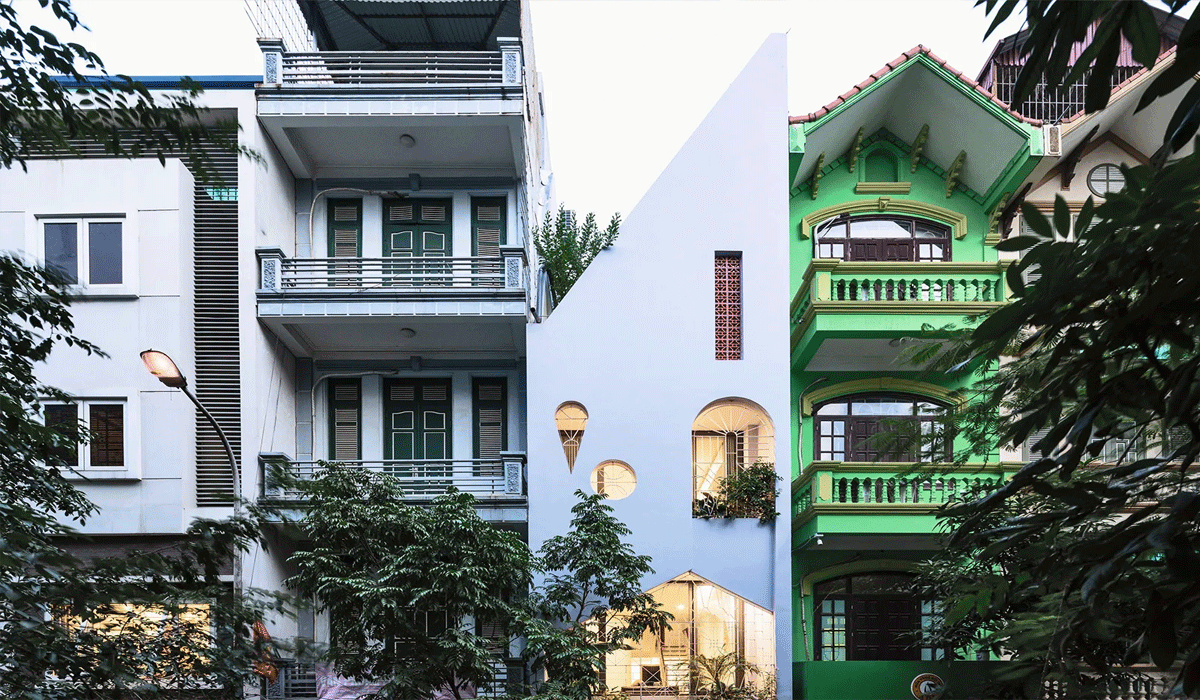
Home is no longer just a place to rest, but also a space that supports productivity, comfort, and a modern lifestyle. As urban communities’ needs increase, housing concepts continue to evolve toward more functional, aesthetic, and sustainable designs. In this modern era, home has become a crucial part of maintaining a balanced life amidst the hustle and bustle of the city. Urban Living Insight also play an important role in shaping modern lifestyle inspiration, much like urban housing concepts influence daily living. Just as fashion books explore timeless beauty, style, and seasonal trends, modern homes are also designed to reflect personal identity, comfort, and aesthetic expression. Both fashion and housing share the same purpose: creating harmony between function, beauty, and lifestyle needs in everyday life.
Beauty and Style in Urban Home Design
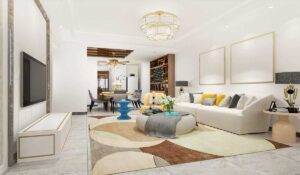
Modern homes are not only about function but also about beauty and emotional comfort. Attractive interior design can improve mood and create a relaxing atmosphere. Many urban homes use neutral colors, natural lighting, and modern materials like glass and wood to create a clean and elegant look. These elements make homes feel more open and refreshing.
Interior details play an important role in aesthetic living. Symmetrical furniture arrangements, indoor plants, and large windows help bring nature closer to city homes. Natural sunlight not only saves electricity but also improves mental health and energy levels. Simple design concepts are often preferred because they reduce visual clutter.
Personal style is also reflected through home decoration. Artwork, family photos, and unique decorations help residents express their personalities. In big cities where life can feel stressful, having a beautiful personal space provides emotional balance and comfort after a long day outside.
Sustainable Living for a Better Planet
Environmental awareness is becoming more important in urban housing development. Sustainable homes help reduce carbon footprints and support eco-friendly lifestyles. Many modern houses now use solar panels, rainwater harvesting systems, and recycled building materials. These innovations help protect the environment while still providing modern comfort.
Energy efficiency also benefits homeowners financially. LED lighting, smart ventilation systems, and energy-saving air conditioners help reduce monthly electricity bills. These technologies show that eco-friendly living is not only good for the planet but also practical for daily life.
Green spaces are also growing in popularity. Vertical gardens, rooftop plants, and community gardens help improve air quality in urban areas. These spaces also provide relaxation areas for residents. Green living creates harmony between modern city development and nature preservation.
Read Also: Modern City Living: Chic Ideas for Your Urban Space
Smart Technology Homes of Tomorrow
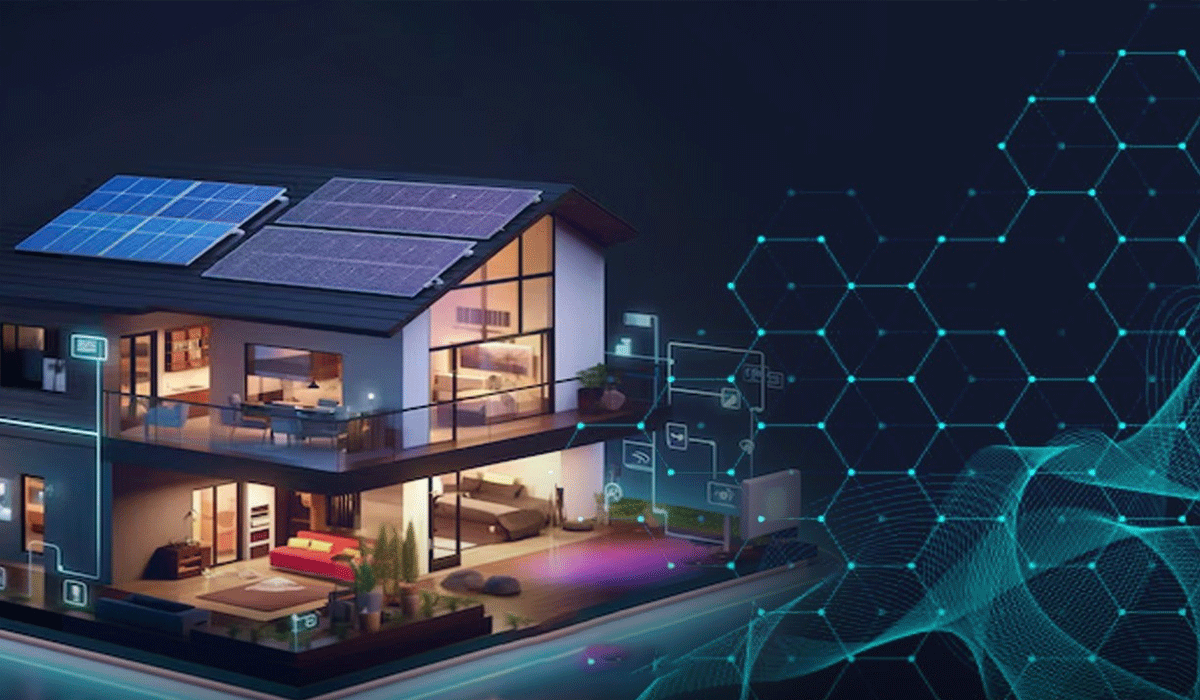
Technology is transforming urban housing into smarter living environments. Smart homes use automated lighting, temperature control, and digital security systems to increase safety and convenience. Residents can control their homes through smartphones, making daily routines easier and more efficient.
Digital technology also strengthens community connections. Modern housing communities use apps to manage shared facilities, book event spaces, and communicate with neighbors. This helps build stronger social relationships even in busy cities where people often live independently.
Artificial intelligence and smart sensors can learn residents’ habits and adjust home settings automatically. Lights can turn on when someone enters a room, and temperature systems can adapt to comfort preferences. This technology makes homes feel more personal and responsive to human needs.
The Future of Urban Happiness
The future of urban housing focuses on balance between comfort, design, sustainability, and technology. Modern homes are evolving into lifestyle spaces that support work, rest, and personal growth. Urban housing is no longer just about living inside four walls but about creating meaningful life experiences.
City life will continue to change, and housing designs will follow these changes. People want homes that reflect their identity while still supporting modern technology and environmental responsibility. This new era of urban living shows that homes can be both practical and inspiring.
In the end, modern urban homes represent more than physical buildings. They represent comfort, identity, and sustainability. With smarter design and technology, urban living can become more harmonious, healthy, and enjoyable for future generations.