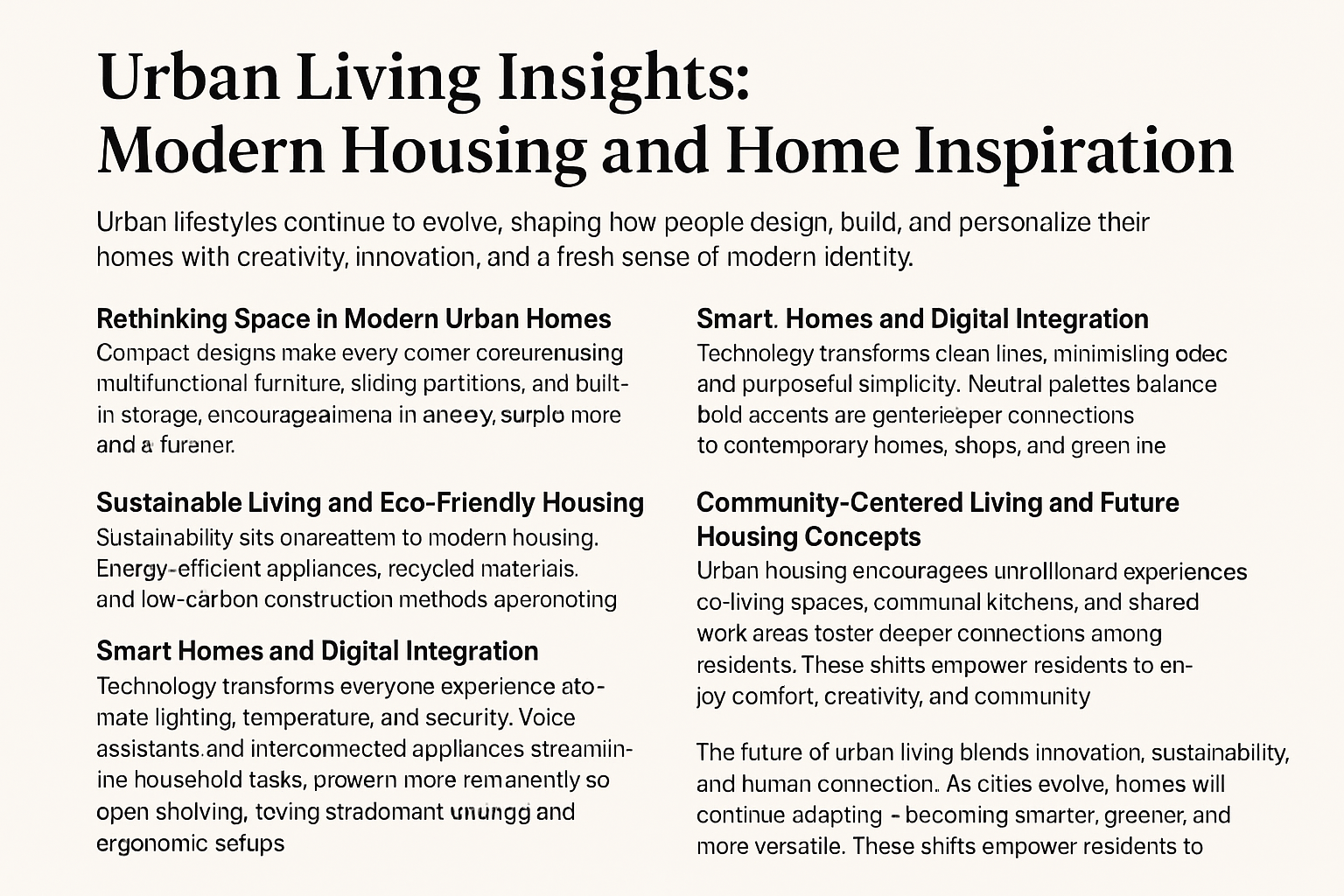
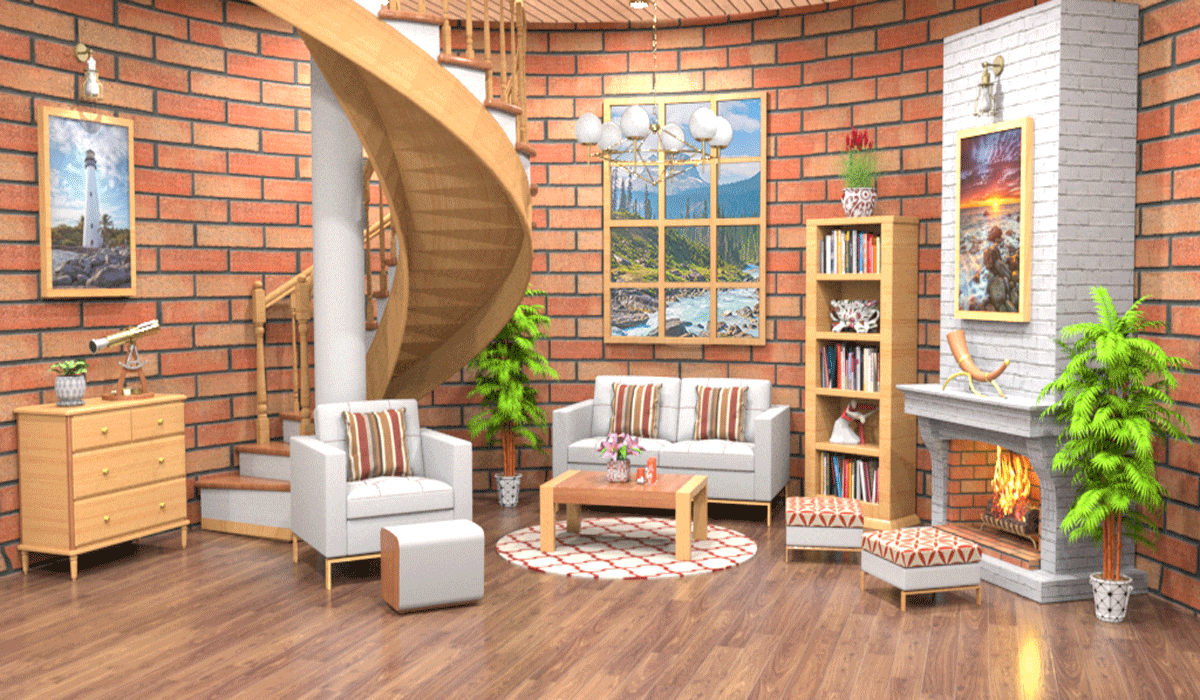
In recent years, urban life has undergone a remarkable transformation driven by population growth, technological advancement, and shifting lifestyle preferences.
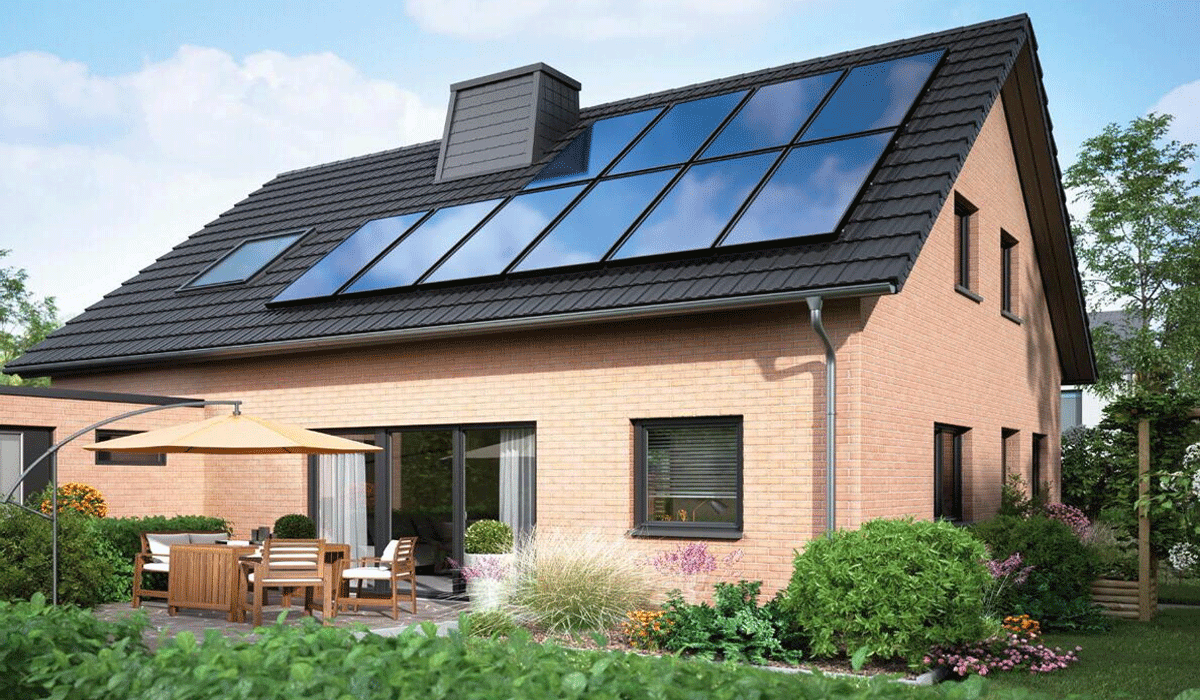
Cities are no longer just places of work and commerce; they have evolved into dynamic ecosystems where comfort, sustainability, and innovation intersect. At the center of this evolution is housing, which continues to adapt in response to the needs of modern society.
From smart apartments to eco-friendly housing complexes, the concept of “home” in urban environments is being redefined. This article Urban Living Insight explores how urban living and housing evolution are shaping the inspiration for the homes of the future.
Urban Living in the Modern Era
Urban life today is characterized by speed, connectivity, and constant change. Cities are becoming denser, and people are seeking housing solutions that maximize space while maintaining comfort and functionality. High-rise apartments, mixed-use developments, and compact living spaces are now common responses to limited urban land.
At the same time, modern urban residents prioritize accessibility and convenience. Living close to transportation hubs, workplaces, and entertainment areas has become a key factor in housing decisions. This shift has encouraged developers to design residential areas that integrate seamlessly with city infrastructure.
The Rise of Smart Housing
Technology is playing a major role in transforming residential living. Smart homes equipped with automated systems for lighting, security, temperature control, and energy management are becoming increasingly popular in urban areas. These innovations provide both efficiency and enhanced comfort.
In addition, smart housing is not just about convenience but also about sustainability. Many modern buildings are designed to reduce energy consumption through intelligent systems that monitor and optimize usage. This helps urban residents reduce their environmental footprint while enjoying a more efficient lifestyle.
Read Also: Interior Material Combinations That Make Your Home More Stylish
Sustainability and Eco-Friendly Design
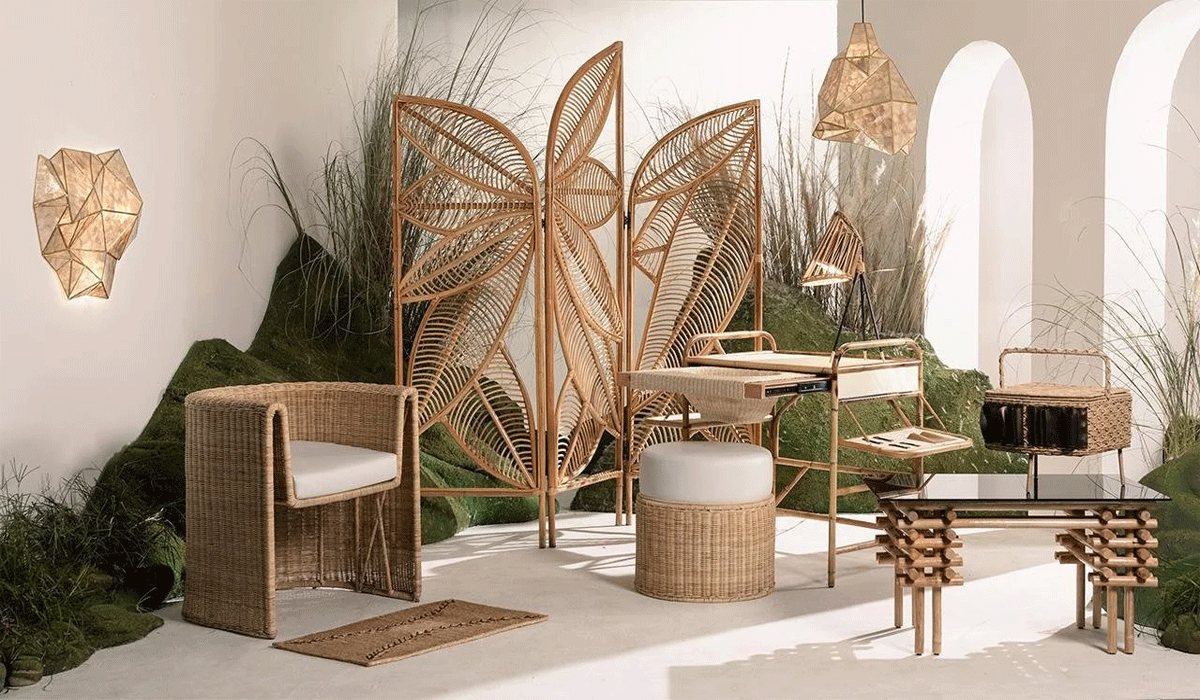
As environmental concerns grow, sustainable housing has become a major focus in urban development. Architects and planners are now integrating green spaces, energy-efficient materials, and renewable energy sources into residential projects. Rooftop gardens, vertical forests, and solar-powered buildings are becoming more common in modern cities.
Furthermore, eco-friendly housing is not only beneficial for the environment but also for human well-being. Access to natural light, fresh air, and green surroundings improves mental health and quality of life. This balance between urban development and nature is shaping the future of residential design.
Flexible and Adaptive Living Spaces
The modern urban lifestyle demands flexibility, and housing design is evolving to meet this need. Homes are now being built with adaptable layouts that can serve multiple purposes, such as working, studying, and relaxing in the same space. This trend has become especially important with the rise of remote work.
Moreover, modular housing and multifunctional furniture are gaining popularity as they allow residents to customize their living spaces according to changing needs. This adaptability ensures that urban homes remain practical and relevant in an ever-changing environment.
Conclusion
The evolution of urban housing reflects a broader transformation in how people live, work, and interact within cities. From smart technology and sustainable design to flexible living spaces, modern homes are being shaped by innovation and necessity. As urban populations continue to grow, the future of housing will likely become even more integrated, intelligent, and environmentally conscious. Ultimately, the inspiration for future homes lies in creating spaces that not only meet practical needs but also enhance the overall quality of urban life.