Discover how adjusting room colors can make your home feel bigger, brighter, and more inviting with simple visual tricks.
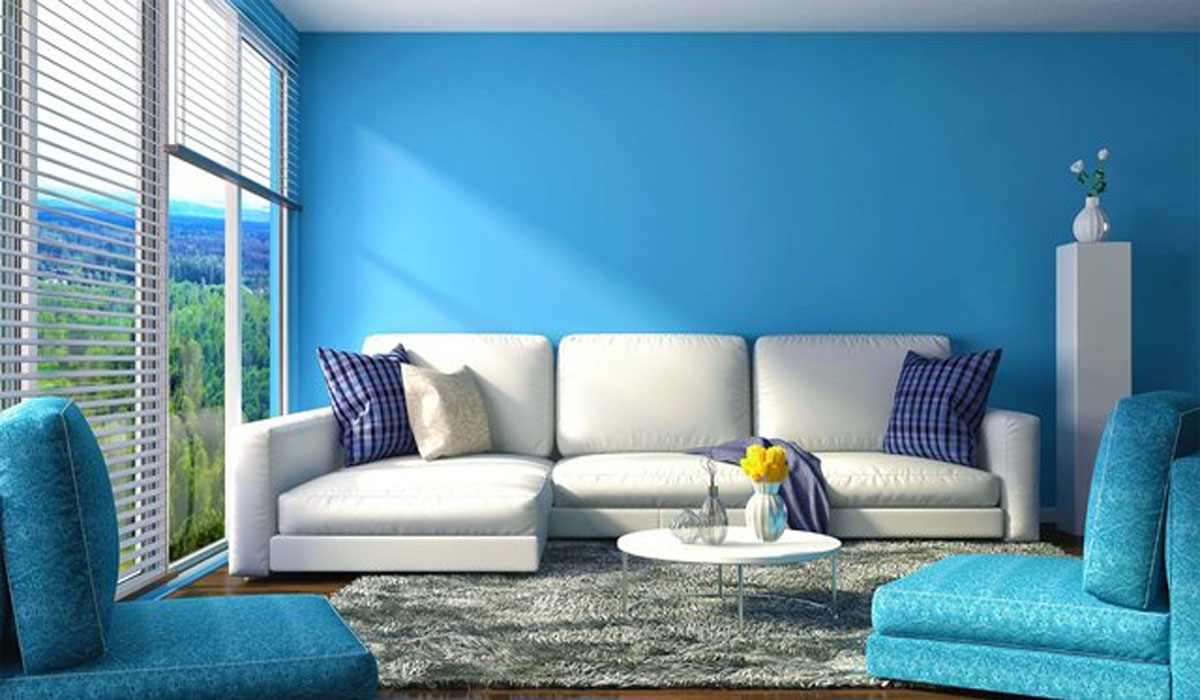
Creating the illusion of space in a home doesn’t always require expensive renovations or moving walls. One of the most powerful tools at your disposal is color. The shades you choose for your walls, ceilings, and even furnishings can dramatically influence how spacious a room feels. Below, Urban Living Insight will provide interesting information that you must know.
The Power of Light And Bright Hues
Light colors have a unique ability to make spaces feel larger and more open. Soft whites, pale creams, and pastel tones reflect more natural light than darker shades, instantly brightening a room.
This reflection not only enhances visibility but also creates a sense of depth, making the walls seem further apart. For rooms with limited natural light, using light-colored paint strategically can mimic the effect of sunlight, giving the room a fresh and expansive feel.
Monochromatic Magic: Streamlined Looks For Spaciousness
Using a monochromatic color scheme is another subtle yet effective way to open up a room visually. By selecting shades from the same color family for walls, furniture, and décor, the eye perceives a seamless flow without abrupt interruptions.
This continuity allows a space to feel larger because the boundaries are less defined. Whether you choose muted blues, soft grays, or warm beige, keeping the tones cohesive can create a calm, airy atmosphere that feels far more spacious than a room with contrasting colors.
Accent Walls: Creating Depth with Contrast
While monochromatic palettes work well for a continuous feel, accent walls can cleverly add a sense of depth. Painting one wall in a slightly darker or complementary shade draws attention to that area, giving the impression that the room extends beyond its actual limits.
Vertical stripes, for example, can make ceilings appear taller, while horizontal patterns can elongate a space. Thoughtful use of contrast transforms the perception of a room’s proportions without cluttering the interior with unnecessary elements.
Read Also: Elevate Your Everyday: Essential Lifestyle & Home Living Tips
Ceiling Colors: The Unsung Hero of Room Expansion
Most people focus solely on walls when choosing colors, but the ceiling is equally important. Painting the ceiling a lighter shade than the walls, or even a soft white, can give the illusion of height, making the room feel more open.
For low-ceilinged rooms, a subtle gloss or reflective finish can enhance light distribution and create a sense of vertical space. Conversely, darker ceilings can create a cozy, intimate environment, so knowing your room’s purpose is key before deciding on a ceiling color strategy.
Coordinating Furnishings And Flooring
Color isn’t limited to walls and ceilings; furniture and flooring play a crucial role in perceived space as well. Choosing pieces that complement the room’s color palette, or even matching them closely to wall shades, can reduce visual clutter and maintain the spacious feel.
Lighter flooring materials, such as pale hardwood or tiles, reflect light upward, adding to the room’s openness. Even textiles like curtains and rugs should follow the overall color strategy to ensure the space remains airy and harmonious.
By thoughtfully adjusting colors throughout your home, you can manipulate perception and enhance your living space. From walls to ceilings, furniture to flooring, every hue contributes to the overall impression of openness. With these visual tips, even compact rooms can feel expansive, inviting, and perfectly balanced. Watch and keep following, don’t miss the most complete information regarding Urban Living Insight.