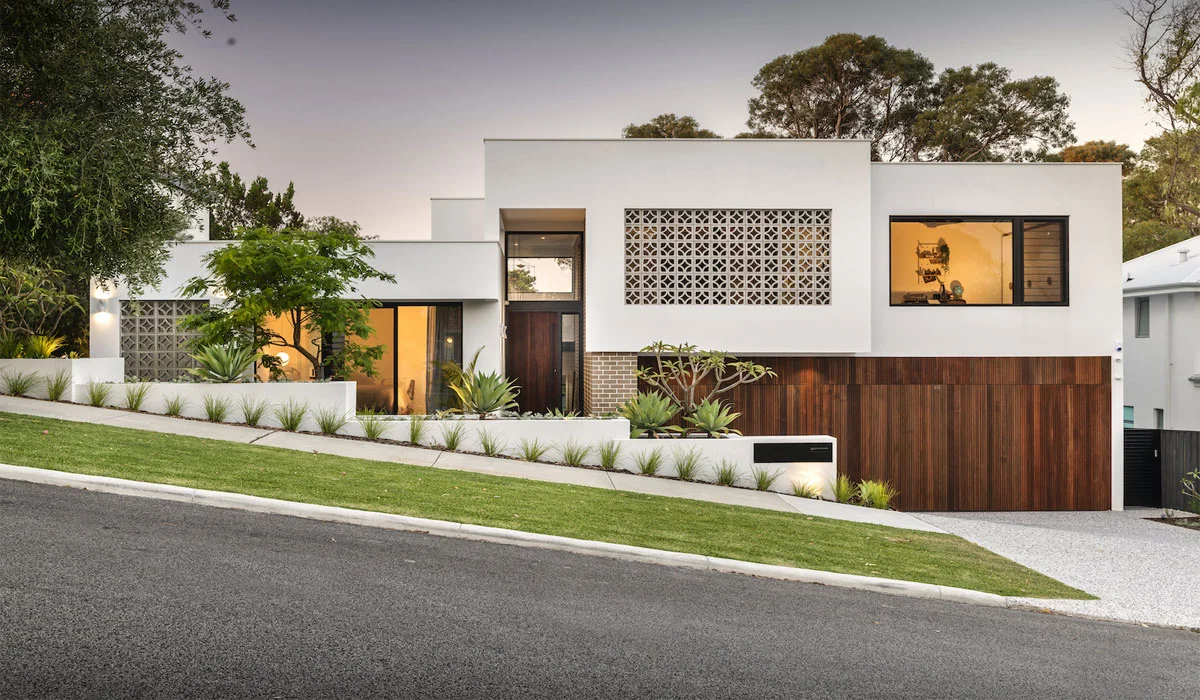
Choosing a home is not just about price or location; it is about creating a living space that feels comfortable, and supportive of daily life.
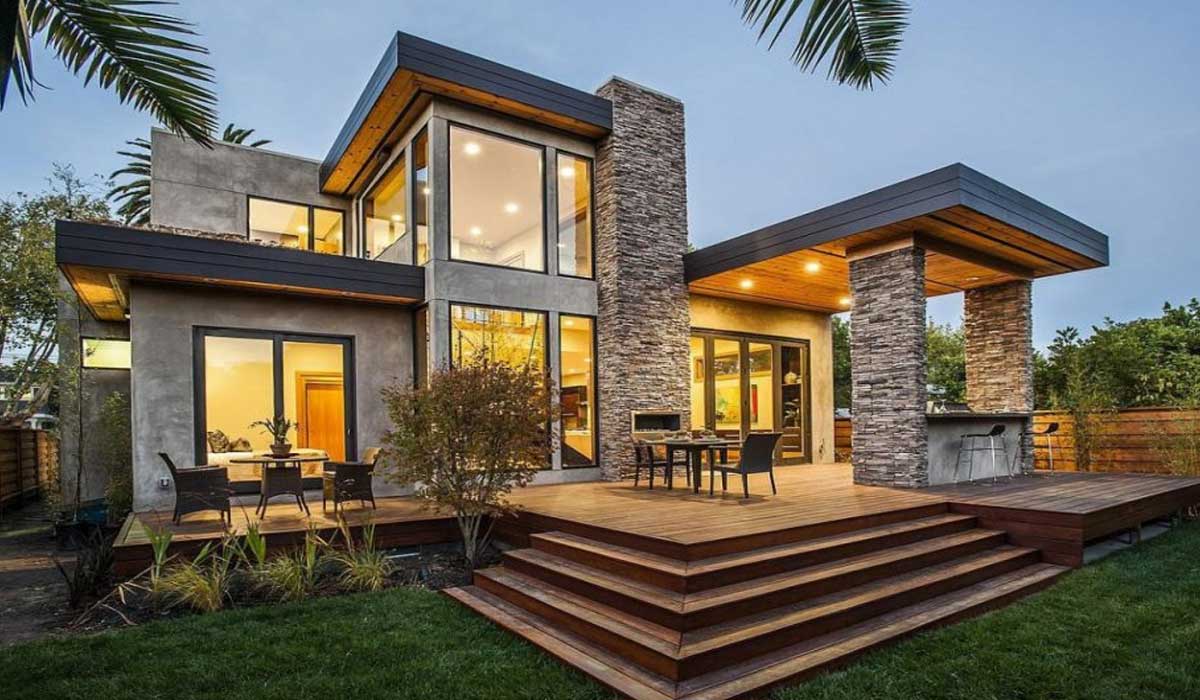
The right home can greatly influence your quality of life, family harmony, and long-term well-being.
This guide, Urban Living Insight will why understanding key factors before making this important decision is essential, so the home you choose truly matches your needs and lifestyle.
Location as the Foundation of Comfort
Location plays a crucial role in determining how comfortable and practical a home will be. A strategically located house offers easy access to workplaces, schools, hospitals, shopping centers, and public transportation. Shorter travel times can reduce daily stress and give you more time to enjoy life at home.
Beyond accessibility, the surrounding environment matters just as much. A safe neighborhood, good drainage to prevent flooding, and a supportive community contribute to peace of mind. A clean, orderly, and quiet area can significantly enhance daily comfort and provide a healthier living atmosphere for all family members.
Functional Layout and Thoughtful Design
A well-planned layout makes everyday activities smoother and more enjoyable. Functional design ensures that rooms are easy to access, well-connected, and not wasted. Living rooms, bedrooms, kitchens, and bathrooms should flow naturally, allowing movement without feeling cramped.
Design should also reflect your lifestyle. Families with children may need open spaces or play areas, while those working from home require a quiet and comfortable workspace. Flexible designs that allow future adjustments are highly valuable, as they make it easier to adapt the home as family needs change over time.
Building Quality and Healthy Materials
The quality of construction is a key factor in long-term comfort and cost efficiency. A house built with strong structures and reliable materials will last longer and require fewer repairs. Before purchasing, it is important to check walls, roofing, flooring, electrical systems, and plumbing carefully.
High-quality materials also affect health and comfort. Good ventilation, sufficient natural light, and eco-friendly materials help create a healthier indoor environment. Homes with proper air circulation feel cooler, reduce moisture buildup, and support better overall well-being for residents.
Read Also: The Ultimate Guide to Choosing Stylish and Functional Furniture
Budget Planning and Long-Term Needs

Setting a realistic budget is essential when choosing a home. In addition to the purchase price, consider extra costs such as taxes, maintenance, renovations, and community fees. A comfortable home does not have to be expensive, but it must align with your financial capacity.
It is also wise to think long term. Consider family growth, future lifestyle changes, and potential home expansion. Planning ahead ensures that your home remains suitable and comfortable for many years, preventing the need for frequent moves or costly adjustments.
Supporting Facilities and Investment Value
Supporting facilities add significant value to a home. Parks, green spaces, security systems, places of worship, and recreational areas enhance daily living and make the neighborhood more enjoyable. These facilities improve not only convenience but also social interaction and overall happiness.
Finally, a home is also a long-term investment. Choosing a property in a developing area with good infrastructure increases the potential for value growth. A well-located and well-designed home offers both comfort today and financial benefits in the future, only in Urban Living Insight.
Image Information Source:
- First Image from: architecthonolulu.com
- Second Image from: thestreet.com