Modern urban environments continue to grow and evolve, shaping the daily experiences of millions of people across the world.
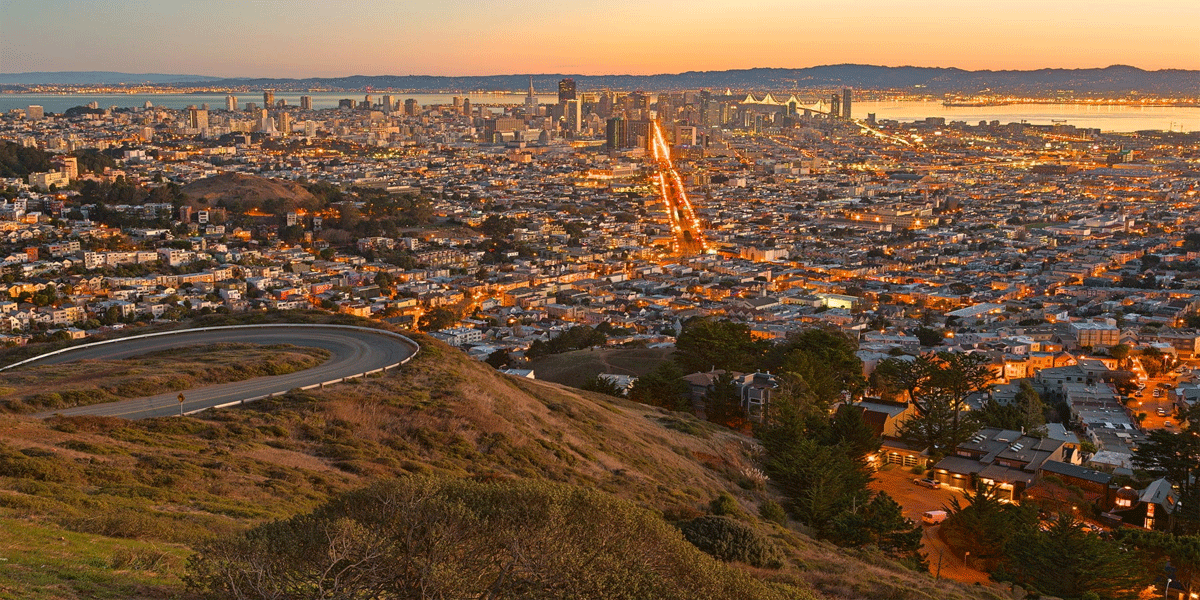
As cities expand, they bring new opportunities, fresh perspectives, and innovative ways of living. At the same time, the rapid pace of urban growth introduces unique challenges that require thoughtful planning and progressive ideas. Understanding the realities of contemporary urban living helps societies create cities that support well-being, sustainability, and inclusive development for future generations. The following will Urban Living Insight explain the Insights, Issues, and Progressive Ideas about Contemporary Urban Life.
Insights Into Modern Urban Life
Contemporary urban living is defined by mobility, diversity, and technological integration. Cities act as centers of economic growth where people from different cultures and backgrounds gather to pursue education, careers, and creative interests. With access to advanced infrastructure, public services, and digital platforms, urban residents often enjoy greater convenience in their daily routines.
Public spaces, cultural hubs, and recreational areas add richness to city life, fostering creativity and community engagement. Yet, urban lifestyles also demand quick adaptation. The constant movement, crowded spaces, and fast-paced routines can place mental pressure on individuals. Balancing productivity, social interactions, and personal well-being becomes a central aspect of modern urban living.
Issues Affecting Contemporary Cities
As cities continue to grow, several major issues become more complex. Overcrowding results in high housing demand, increased traffic, and pressure on transportation systems. Many urban regions struggle to provide affordable housing, forcing residents to live farther from city centers or in smaller, less comfortable spaces.
Environmental challenges also play a significant role. Air pollution, noise pollution, and diminishing green areas reduce the quality of life for many residents. Waste management systems are frequently pushed beyond capacity, creating sustainability problems that demand urgent attention.
Social issues further complicate urban environments. Economic inequality is becoming more visible as living costs rise faster than income levels. Some communities lack access to quality education, healthcare, and secure public spaces. These disparities highlight the need for improved public policies and inclusive urban planning.
Technology’s Influence on Urban Transformation
Technology is one of the most powerful forces reshaping cities today. Smart traffic systems, digital government services, and real-time data monitoring help improve efficiency and public safety. Urban residents benefit from mobile apps that simplify transportation, shopping, communication, and daily tasks.
However, reliance on technology also introduces challenges. Privacy issues, cybersecurity concerns, and unequal digital access can create divisions within the population. To ensure fair and sustainable progress, cities must adopt technological solutions that protect residents and allow equal participation in digital systems.
Also Read: Luxury Living in the Heart of the City Where Style Meets Comfort
Progressive Ideas for Future Urban Development
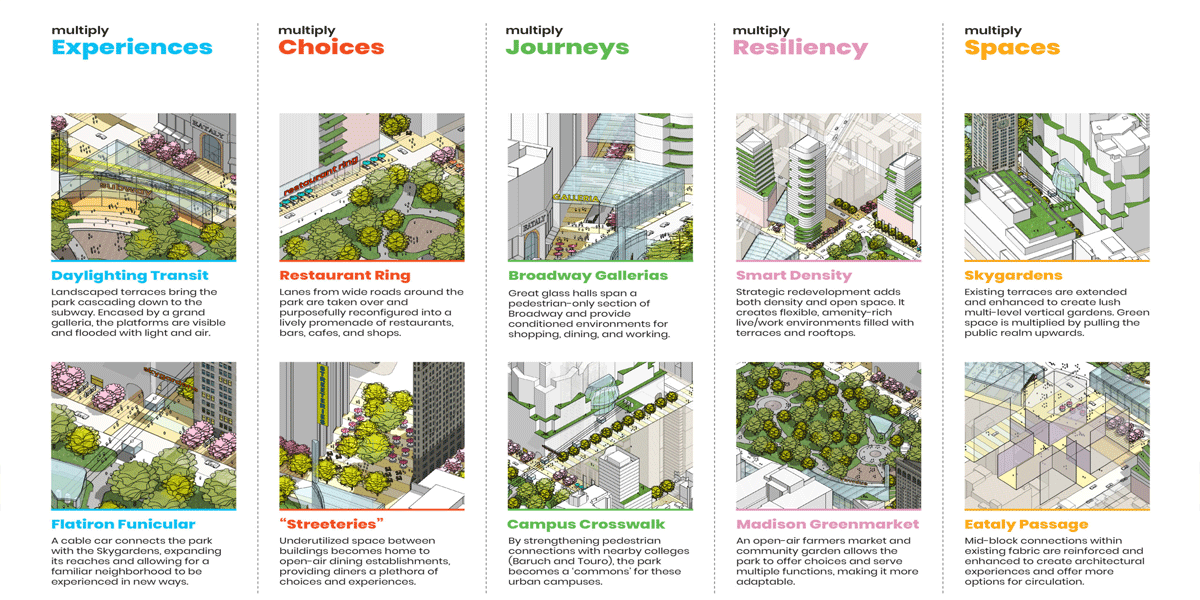
Future-focused urban planning promotes sustainability, resilience, and human-centered design. Green infrastructure such as urban parks, community gardens, and eco-friendly buildings helps reduce pollution while improving mental and physical well-being. Public transportation systems that prioritize electric vehicles, cycling, and walkability reduce congestion and energy consumption.
Mixed-use developments combine residential, commercial, and recreational spaces within the same area, creating vibrant and efficient neighborhoods. Encouraging community involvement in planning processes ensures that development aligns with local needs and strengthens social bonds.
Building Inclusive and Livable Cities
A truly modern city prioritizes accessibility, equality, and comfort for all its residents. Affordable housing, efficient public facilities, and safe public spaces help create a balanced urban lifestyle. Expanding green spaces, sports areas, and cultural venues supports stronger communities and enhances overall well-being.
Inclusivity remains the foundation of successful urban development. When cities embrace diverse communities and provide equal opportunities, they create environments where everyone can thrive.
Conclusion
Contemporary urban living presents both challenges and remarkable opportunities. By understanding urban dynamics, addressing key issues, and implementing progressive solutions, cities can evolve into places that are smarter, greener, and more inclusive. The future of urban life depends on innovation, collaboration, and a shared commitment to building environments that support sustainability and human well-being. Thank you for taking the time to learn interesting information about, Urban Living Insight, will provide more information.
Image source from:
First photo from: www.google.com
Second photo from: www.google.com