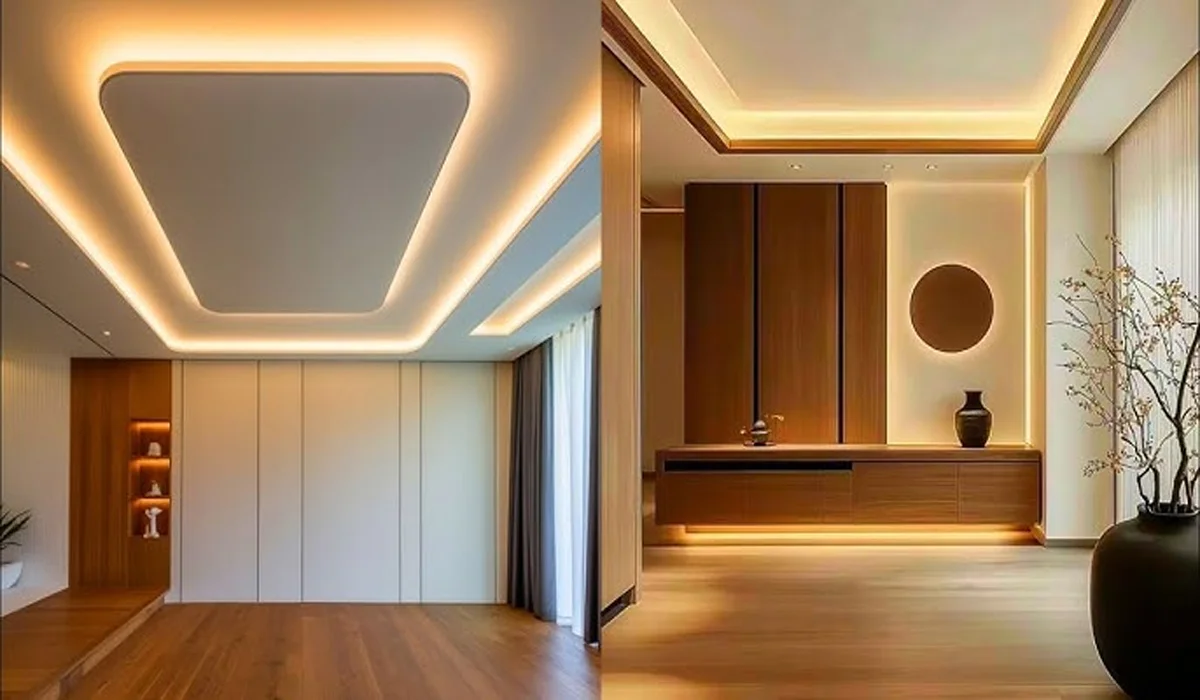
Tropical home interiors emphasize open spaces, the use of natural materials, and warm colors to create serenity and everyday comfort.
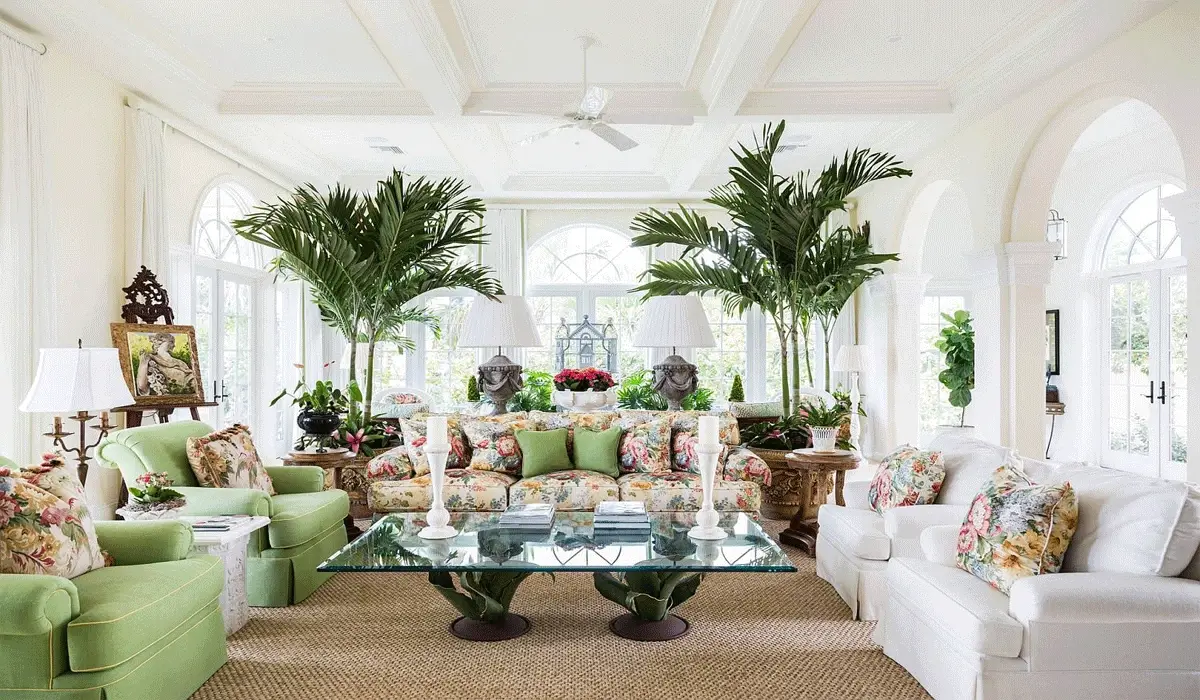
Tropical homes are one of the most popular housing concepts in hot and humid climates. Besides offering comfort, this design also emphasizes the balance between nature and human living space. With the following Urban Living Insight, appropriate approaches, tropical homes not only look visually beautiful but also provide a cool, calm, and refreshing atmosphere for their occupants every day.
Basic Concepts of Tropical Home Interiors
Tropical home interiors focus on harmony between the interior and exterior. This concept utilizes natural elements such as sunlight, fresh air, and vegetation to create a comfortable atmosphere without relying entirely on air conditioning. Tropical homes are typically designed openly to allow for proper air circulation.
One of the main characteristics of this design is the use of cross-ventilation. This ventilation allows air to enter and exit naturally, keeping the room cool even in hot weather. Furthermore, large windows and sliding doors are often used to maximize airflow and natural lighting.
The materials used also have a significant impact. Wood, bamboo, natural stone, and rattan are prime choices because they create a warm and natural feel. This combination of materials creates an atmosphere that is not only aesthetically pleasing but also environmentally friendly and sustainable.
Choosing Calming Colors and Materials
Color plays an important role in creating a comfortable tropical home. Neutral colors such as white, cream, light brown, and natural green are often used to reinforce a sense of calm and coolness. These colors also help reflect natural light, making the room appear brighter and more spacious.
Beyond color, the choice of interior materials is also important. Natural materials such as teak, rattan, and linen provide a soft, yet restrained texture. The use of these materials makes the room feel more lively and relaxed, while maintaining a dominant natural feel.
To enhance the calming effect, decorative elements should be kept in moderation. Indoor plants such as monstera, palms, or snake plants can be a refreshing addition. Besides beautifying the room, plants also help improve indoor air quality.
Also Read: Urban Living Redefined, Innovative Ideas in City Interior Design
Optimal Spatial Planning and Lighting
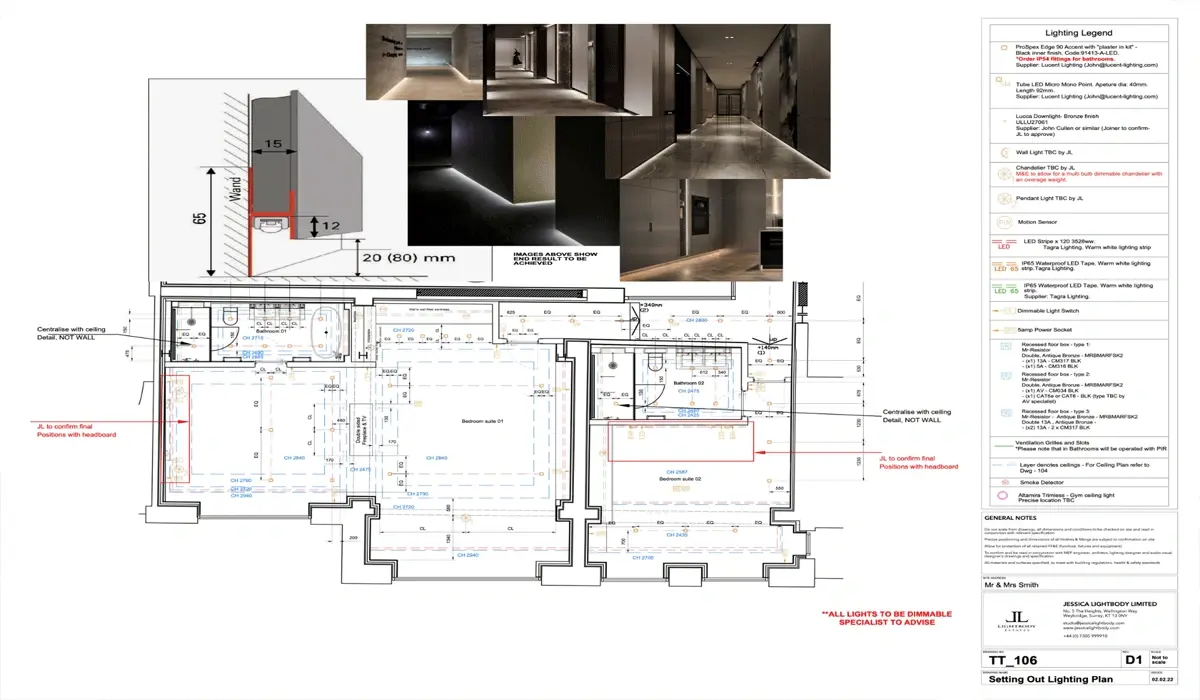
The layout of a tropical home should be designed to feel open and not cramped. The open space concept is often used to combine the living room, dining room, and kitchen without many partitions. This creates a freer flow of space and enhances visual comfort.
Natural lighting is an important element that should not be overlooked. Large windows, skylights, and glass doors are often used to let sunlight into the home. This natural light not only brightens the room but also helps save electricity.
Decorative for a Festive Tropical Feel
Decor in a tropical home should be simple yet possess a strong character. The use of natural elements such as wickerwork, handicrafts, and organic textures can strengthen the tropical design identity. Overly busy decorations can actually disrupt the calming impression desired.
Furniture selection is also crucial. Furniture with a simple and functional design is more suitable for this concept. Avoid using overly large or heavy furniture to maintain a light and airy feel.
Benefits of Tropical Homes for Health
Tropical homes not only offer beautiful designs but also provide significant health benefits for their occupants. With good air circulation, these homes can reduce excess humidity, which often leads to the growth of mold and bacteria. Thank you for taking the time to find interesting information about Tropical home interiors in Urban Living Insight, we will provide lots of other information.
Image Information Source:
First Image: decoist.com
Second Image: jessicalightbody.com