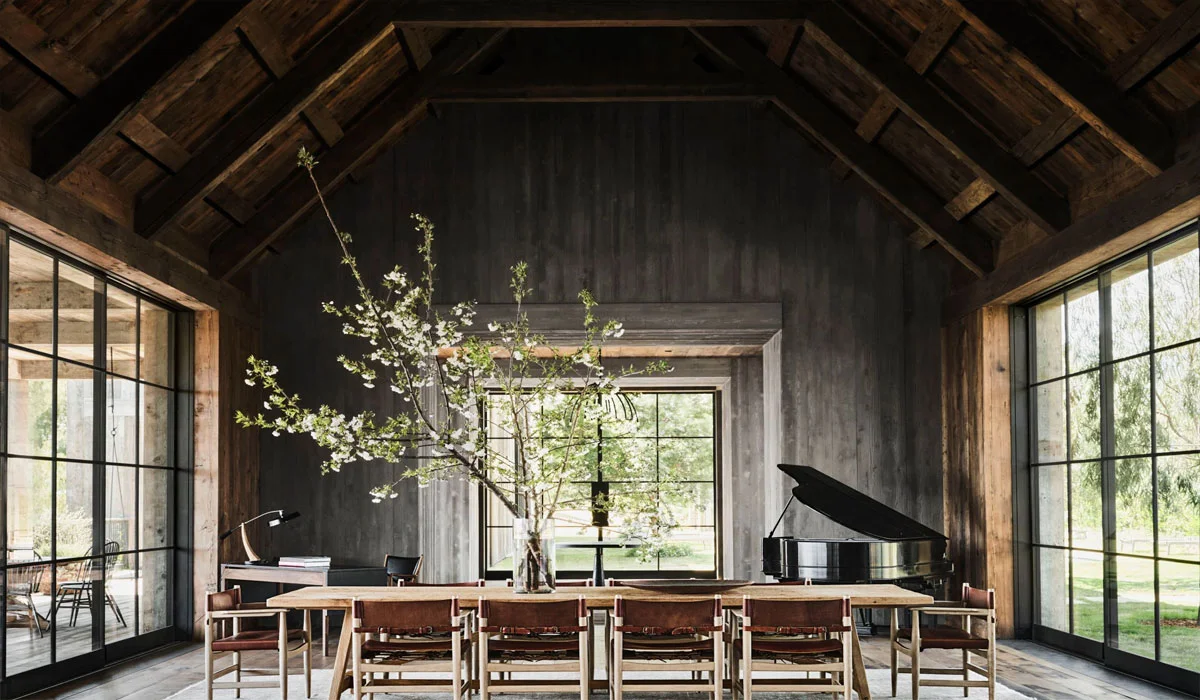
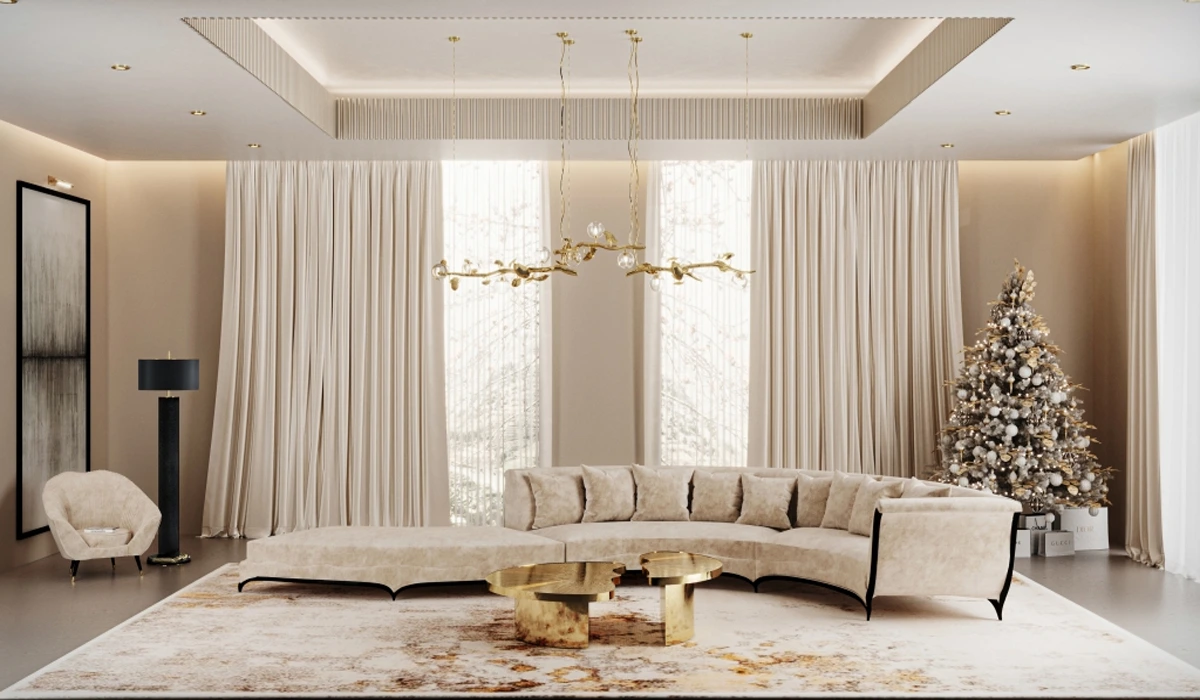
Modern interior decoration is more than arranging furniture or selecting colors for a room that simply make a space look attractive.
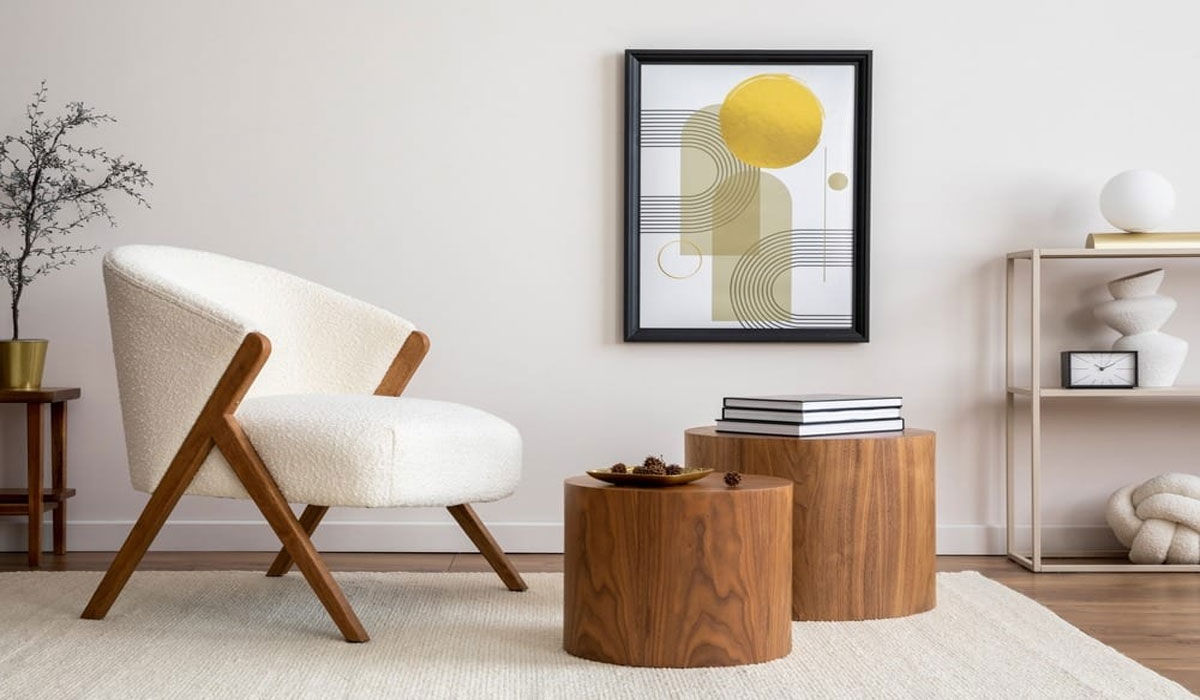
In today’s modern lifestyle, homes are no longer just physical shelters. They have become personal spaces where people work, rest, create, and express themselves. Because of this shift, interior design has evolved into something more personal and intentional rather than purely decorative.
This Urban Living Insight article explores how modern interior decoration blends aesthetics and functionality to create spaces that reflect identity, support lifestyle needs, and enhance emotional comfort.
Interior Design as a Reflection of Identity
One of the strongest aspects of modern interior decoration is its ability to reflect personal identity. Every home tells a story about its owner through design choices, whether intentional or not.
Some individuals prefer a clean and minimal look, while others enjoy bold colors and expressive layouts. Both styles represent different personalities and lifestyles. Modern interior design does not force a single standard but allows freedom of expression through space.
The Beauty of Simplicity
Simplicity has become a major trend in modern interiors. Minimalist design focuses on reducing unnecessary elements and keeping only what is essential. This creates a clean, calm, and organized environment.
A simple space does not mean empty or boring. Instead, it emphasizes clarity and purpose. Every item has meaning, and nothing feels excessive. This approach helps create a peaceful atmosphere, especially in busy modern life.
Read Also: Tips for Arranging Your Home to Make it Look Spacious and Comfortable
Texture and Material Balance
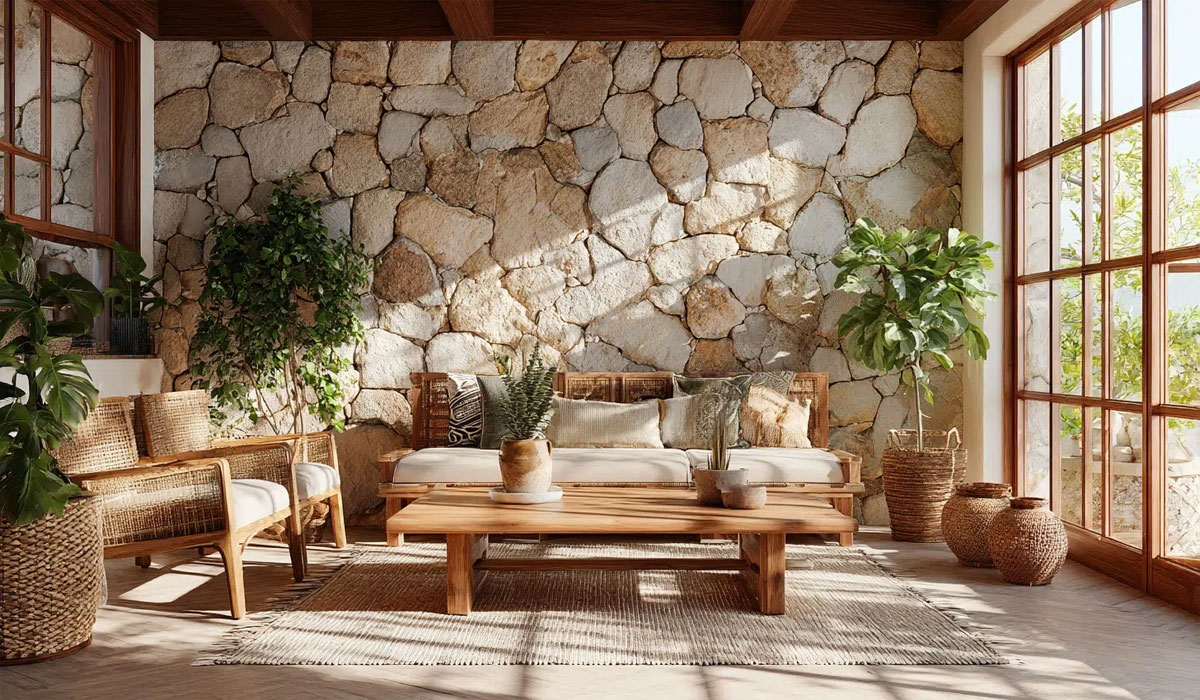
Beyond color and layout, texture plays an important role in shaping the feel of a room. Materials such as wood, stone, fabric, and metal add depth and variation to interior spaces.
Combining different textures creates balance. For example, a soft fabric sofa paired with a rough stone wall can produce a visually interesting contrast. These combinations make spaces feel more natural and dynamic.
Lighting as a Design Element
Lighting is one of the most powerful tools in interior decoration. It affects not only visibility but also mood and atmosphere.
Natural light is often preferred because it creates a fresh and open feeling. Large windows and open spaces help bring sunlight into the room. Artificial lighting, on the other hand, is used to create warmth and focus, especially during the evening.
Functionality and Comfort
Modern interior design focuses heavily on functionality. A space must not only look good but also support daily activities.
Furniture today is often designed with multiple uses in mind. Storage beds, foldable tables, and modular sofas help maximize space efficiency, especially in smaller homes or apartments. Comfort remains a priority, ensuring that design does not sacrifice usability.
Personal Expression in Space
Modern interiors increasingly reflect personal taste and lifestyle. People now incorporate meaningful objects into their homes, such as artwork, books, souvenirs, or handmade items.
These personal touches transform a house into a home. They add character and emotional value that cannot be achieved through furniture alone.
Conclusion
Modern interior decoration is a combination of creativity, functionality, and personal expression. It goes beyond visual beauty to create environments that support how people live and feel.
By balancing simplicity, texture, lighting, and personal identity, modern interiors become more than just spaces they become meaningful environments that shape everyday life. Don’t miss out on other interesting information in Urban Living Insight, which is always updated daily.
First Image from planner5d.com
Second Image from thestylesaloniste.com