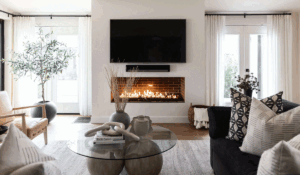
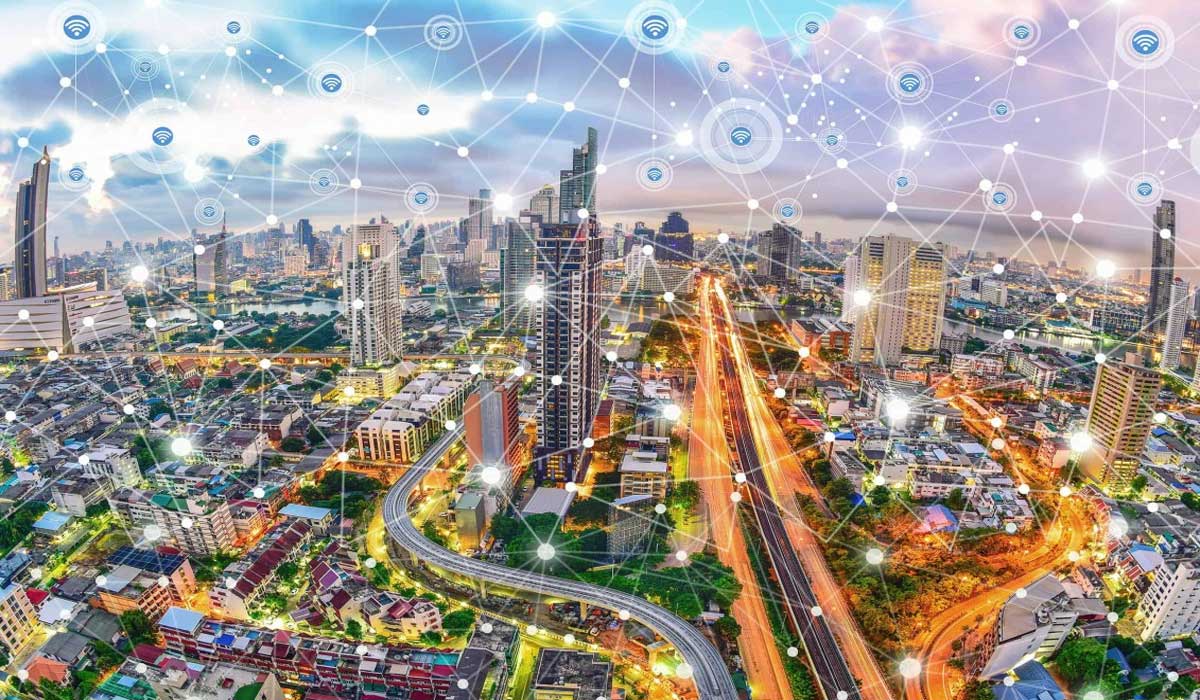
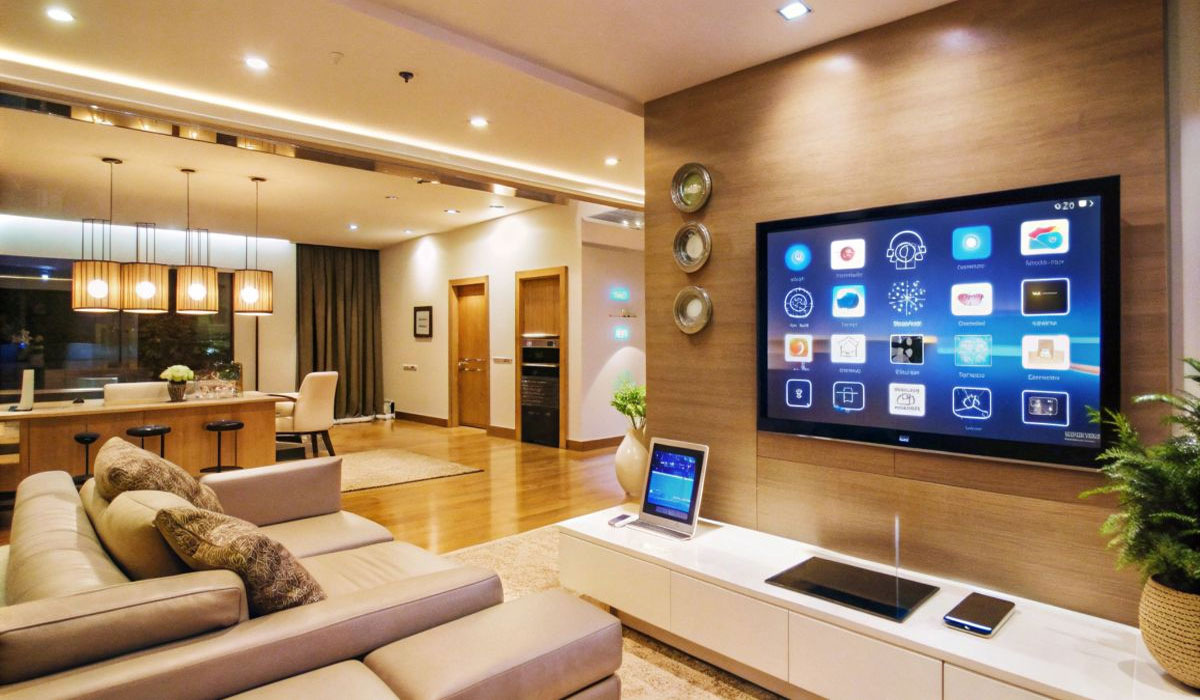
Home is no longer just a place to rest after a long day of work, study, and various daily responsibilities that fill our modern lives.
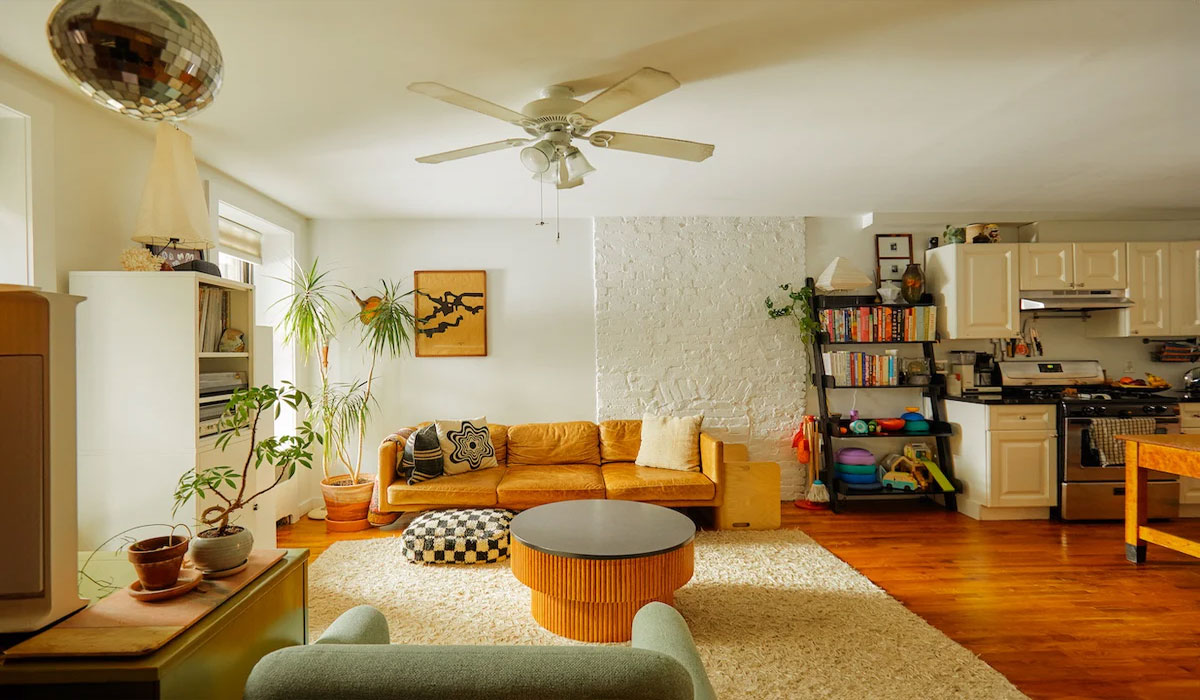
In today’s world, it has become a central space for living, working, relaxing, and even personal growth. The idea of living well at home reflects a modern shift in how people design and experience their surroundings, focusing on comfort, functionality, and emotional well-being.
This Urban Living Insight article explores how that idea is changing in today’s world.
The Home as a Multi-Functional Space
Modern homes are no longer limited to traditional roles. A single space can now function as an office, gym, entertainment area, and relaxation zone. This flexibility has become essential in supporting daily life.
Furniture and interior layouts are also adapting to this trend. Modular designs, foldable furniture, and smart storage solutions allow spaces to transform easily depending on the need. This helps homeowners maximize functionality without sacrificing comfort or style.
Comfort and Mental Well-Being
Comfort has become a key element in modern home design. Beyond physical comfort, there is also a growing focus on mental and emotional well-being. People now look for spaces that feel calm, balanced, and stress-free.
Natural lighting, indoor plants, and warm color palettes are commonly used to create a peaceful atmosphere. These elements help reduce stress and improve mood, making the home a place of restoration rather than just shelter.
Read Also: How to Make Your Interior More Lively with Lighting
The Role of Technology in Modern Living
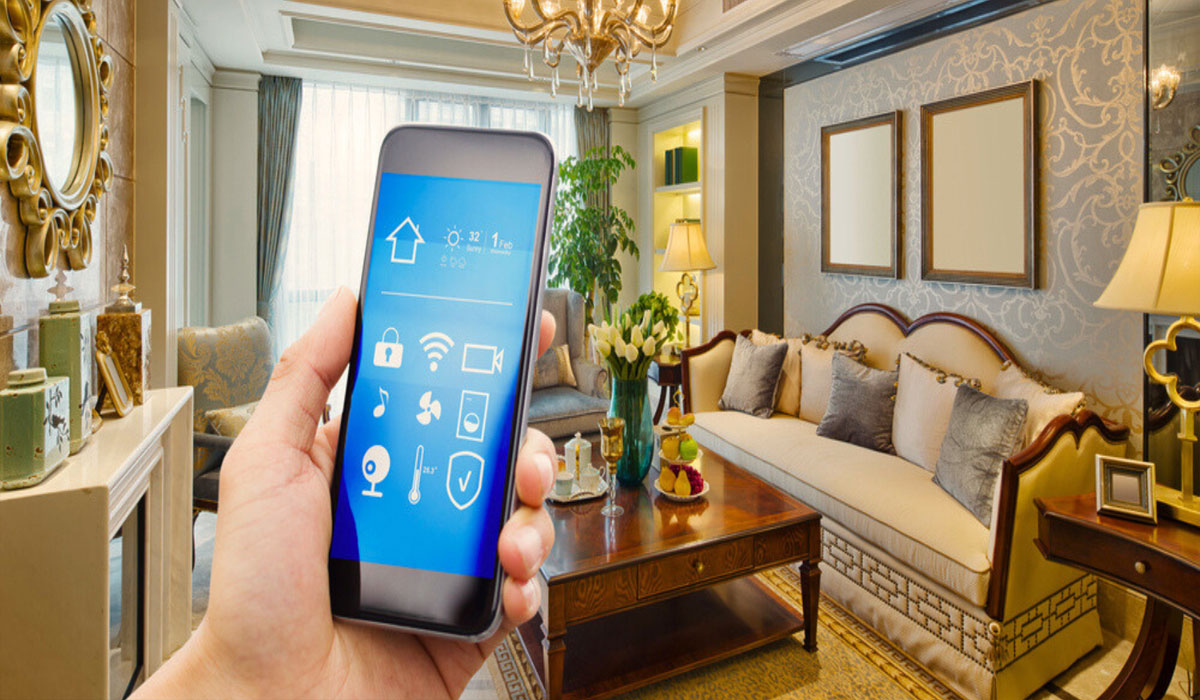
Technology plays a major role in shaping the new era of home spaces. Smart home systems allow users to control lighting, temperature, security, and entertainment with ease. This level of convenience improves daily living efficiency.
In addition, digital connectivity enables remote work, online learning, and virtual social interactions. Homes are now deeply integrated with technology, making life more flexible and connected than ever before.
Personalization and Lifestyle Expression
Today’s homeowners are increasingly focused on personalizing their spaces. Interior design is no longer about following strict rules, but about expressing individuality and lifestyle preferences.
From minimalist designs to bold artistic interiors, every home can reflect the personality of its occupants. This shift allows people to feel more connected and comfortable in their environment.
Sustainability and Conscious Living
Sustainability has also become an important part of modern home living. Many people are now choosing eco-friendly materials, energy-efficient appliances, and sustainable design practices.
This approach not only reduces environmental impact but also creates healthier living spaces. Conscious living at home encourages long-term thinking about both personal well-being and the planet.
Blending Work and Life at Home
With remote work becoming more common, the line between professional and personal life has become blurred. Homes now need to support productivity while still maintaining relaxation spaces.
Dedicated work areas, soundproof corners, and organized layouts help maintain balance. The goal is to create an environment where work and life can coexist without overwhelming each other.
Conclusion
The concept of living well at home represents a major shift in modern lifestyle thinking. Homes are no longer static spaces but dynamic environments that support every aspect of life.
By combining comfort, technology, personalization, and sustainability, people can create spaces that truly enhance their daily living experience. Don’t miss out on other interesting information in Urban Living Insight, which is always updated daily.
First Image from gestalten.com
Second Image from confident-group.com