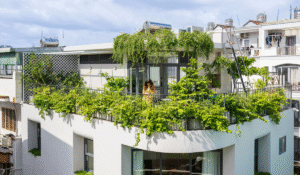
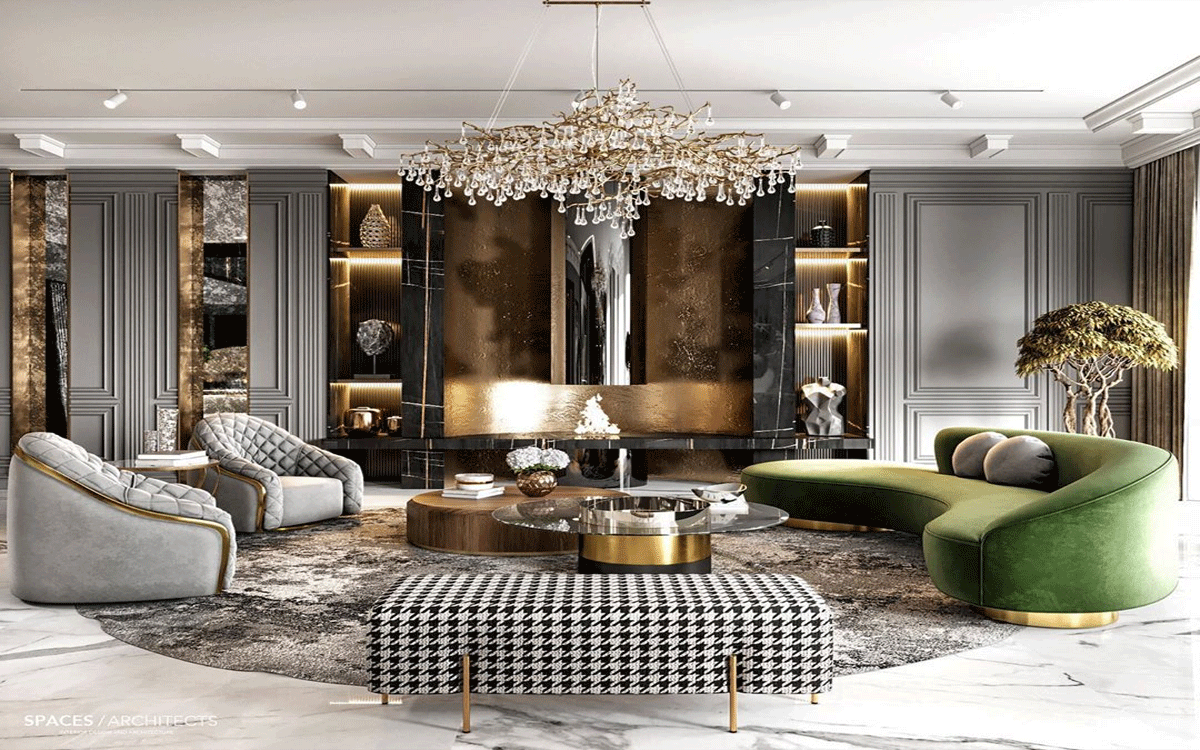
Modern housing development in Indonesia continues to show significant changes along with the increasing need for homes that are comfortable.
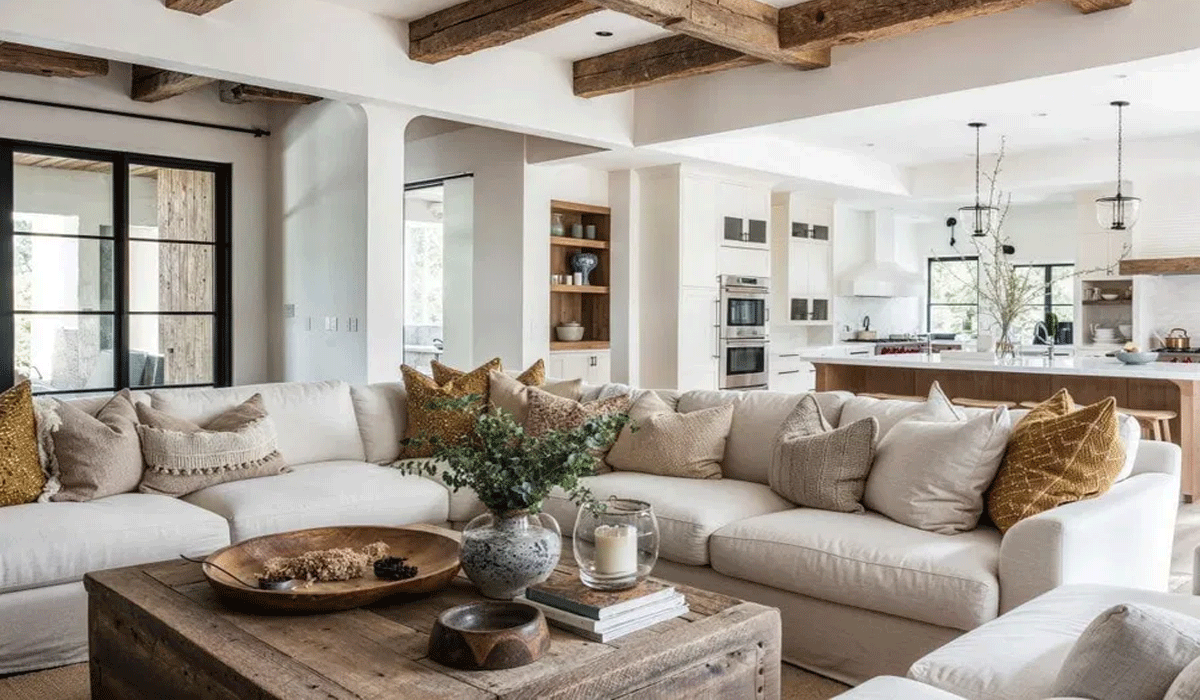
The modern housing trend is no longer focused solely on buildings, but also on the lifestyle of its residents. Minimalist design, eco-friendly concepts, and the use of technology have become the main attractions. Developers are competing to present innovative housing that meets the needs of today’s dynamic and practical society in a sustainable and modern way. Below, Urban Living Insight offers interesting insights that you should know, especially as lifestyle trends continue to evolve alongside modern housing and contemporary living styles.
Transformation of Modern Housing Design
Modern housing today is undergoing a major transformation in architectural design, becoming more open, simple, and efficient. Open-space concepts are widely used because they create a sense of spaciousness and comfort for residents. In addition, the use of eco-friendly materials is increasingly applied to support environmental sustainability while also enhancing the visual appeal of modern homes.
Beyond design, modern housing also emphasizes efficient space planning that maximizes every corner of the house. Multifunctional rooms are becoming a popular trend, especially in urban areas where land is limited. With proper planning, even small homes can feel spacious, comfortable, and suitable for modern family lifestyles.
Smart Home Features in Today’s Housing
Technological advancements have brought smart home systems into modern housing developments. Automation systems such as lighting control, security monitoring, and room temperature regulation can now be managed through smart devices. This provides greater convenience for residents while also improving energy efficiency in daily household use.
In addition to convenience, smart home features are highly attractive to younger generations who prefer practical and digital lifestyles. Smartphone applications allow homeowners to control various devices remotely, making life more flexible. This innovation significantly enhances comfort and efficiency in modern living environments.
Read Also: Lifestyle & Home Living: Smart Tips for Creating a Harmonious Living Space
Eco-Friendly Materials for Modern Housing
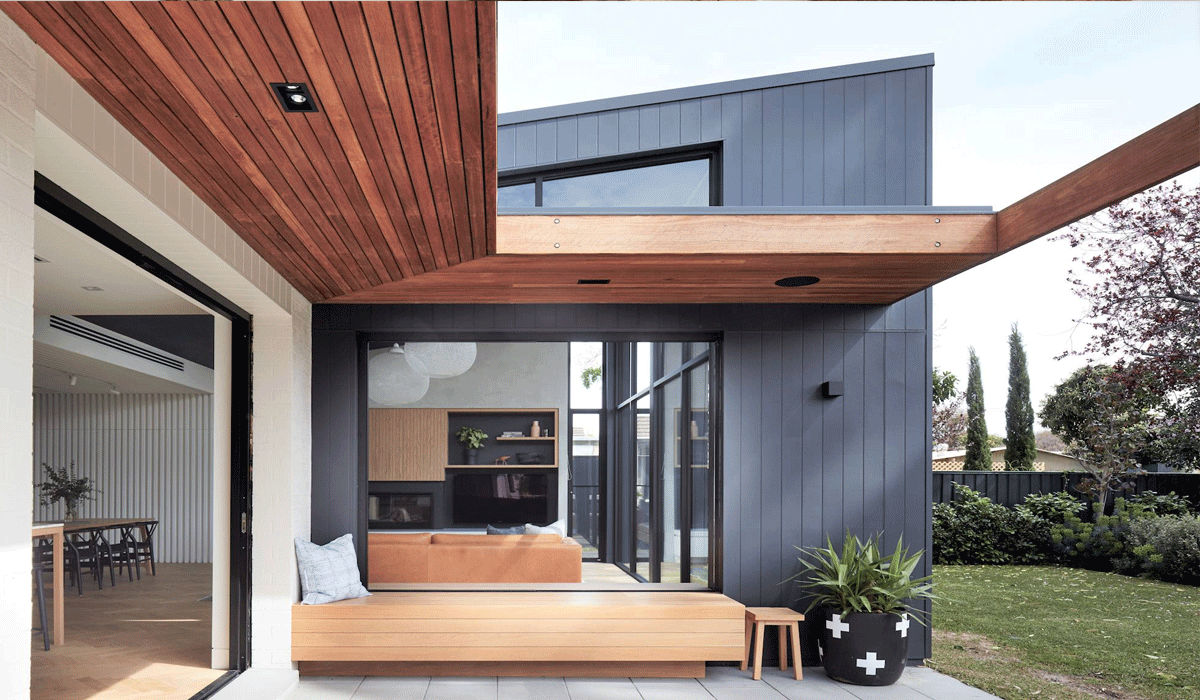
Environmental awareness has encouraged many developers to use eco-friendly materials in modern housing construction. Materials such as recycled wood, lightweight bricks, and low-emission paint are becoming more popular because they are safer and more sustainable. These choices help reduce environmental impact while supporting green building concepts in urban development.
In addition to being environmentally friendly, modern materials are also designed to be more durable and low-maintenance. This is an important factor for homeowners who want practical housing with lower upkeep costs. With these innovations, building quality improves while maintaining aesthetic value and long-term investment potential.
Aesthetics and Comfort as the Main Priority
Aesthetics play a crucial role in modern housing as they reflect the lifestyle of its residents. Attractive house facades, appropriate color selection, and well-designed gardens create a positive first impression. As a result, more people are paying attention to visual aspects when choosing their ideal modern home.
Comfort is also a top priority in modern house design, with careful attention given to air circulation, natural lighting, and spatial arrangement. The goal is to create a healthy and pleasant living environment for long-term use. The combination of aesthetics and comfort has become the key foundation of today’s modern housing development.
Conclusion
The development of modern housing trends shows that people’s needs go beyond just having a place to live; they also seek comfort, aesthetics, and technology that support their lifestyle. Developers continue to innovate to create more efficient, eco-friendly, and affordable homes for various groups. With these advancements, the future of housing is expected to provide better, more sustainable, and adaptive living solutions. Therefore, people are encouraged to be more selective in choosing homes that suit their long-term needs and ensure a better quality of life.