Modern interior design continues to evolve, blending creativity, functionality, and comfort into one seamless experience.
Today’s homes are no longer just places to live, but reflections of personal identity and lifestyle. With new trends emerging each year, interior design plays a crucial role in shaping how people feel and interact within their spaces Urban Living Insight.
Minimalist Aesthetic with Purpose
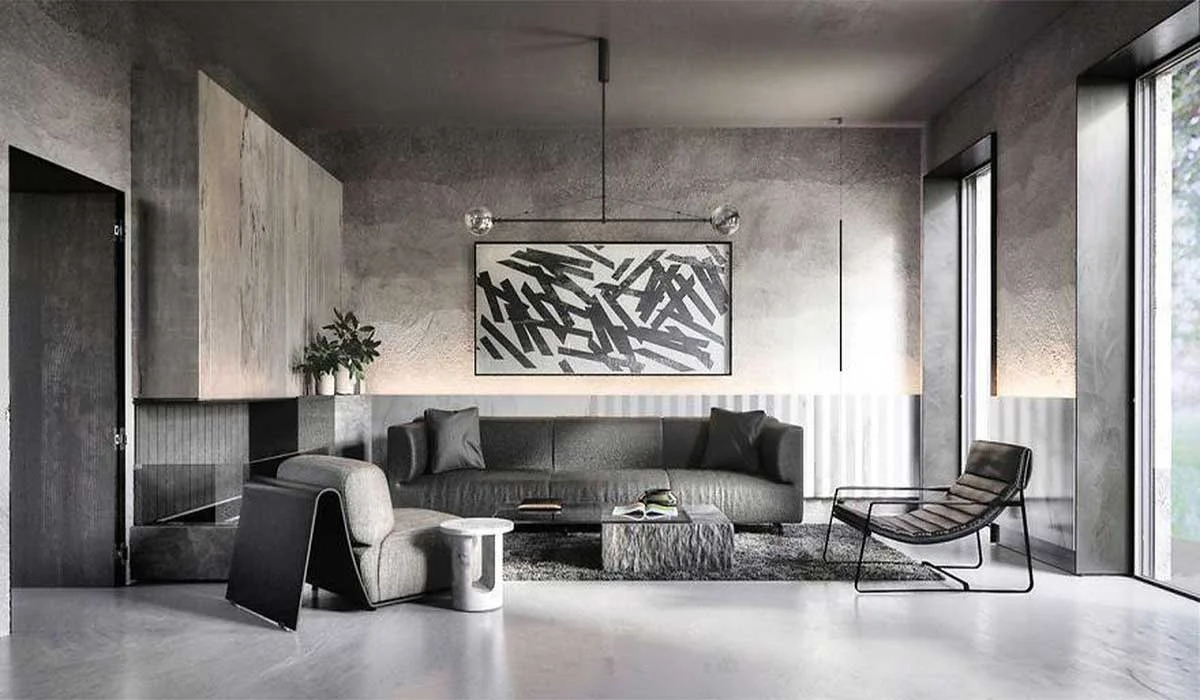
Minimalism is one of the strongest influences in modern interior design. It focuses on simplicity, clean lines, and removing unnecessary clutter to create calm and organized environments. The idea is not just to have less, but to make every element meaningful and functional within the space.
In minimalist spaces, neutral colors such as white, beige, and soft gray dominate the palette. These tones help create a sense of openness and light, making rooms appear larger and more peaceful. Furniture is often sleek and simple, avoiding excessive decoration while maintaining elegance and comfort.
Another important aspect of minimalism is intentional living. Every object in the room has a purpose, which helps reduce visual noise and mental stress. This approach encourages homeowners to focus on quality over quantity, selecting items that truly add value to their daily lives.
Biophilic Design Integration
Biophilic design brings nature into indoor spaces, creating a strong connection between humans and the natural environment. This trend has become increasingly popular as people seek comfort and relaxation within their homes. Natural elements help improve mood and overall well-being.
Plants play a major role in biophilic interiors. From small potted plants to vertical green walls, greenery adds freshness and life to any room. Natural light is also essential, with large windows and open layouts helping to bring the outdoors inside.
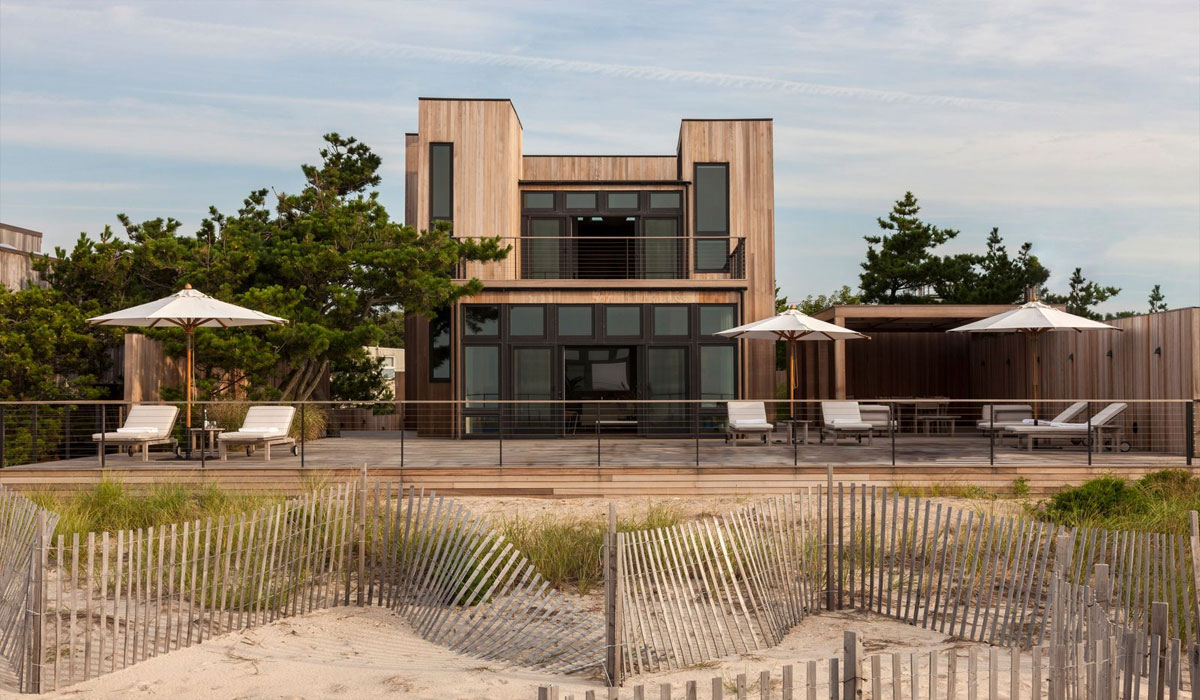
Materials such as wood, stone, and bamboo are commonly used to strengthen the natural atmosphere. These textures add warmth and authenticity, making spaces feel more grounded and harmonious. The result is a healthier and more calming living environment.
Also Read: Simple But Luxurious Interior Design for Small Houses
Smart Home Integration
Technology is reshaping modern interior design through smart home integration. Homes are becoming more efficient and convenient with automated systems that control lighting, temperature, and security. This trend enhances both comfort and functionality.
Smart lighting systems allow homeowners to adjust brightness and color based on mood or time of day. Similarly, smart thermostats help maintain optimal room temperature while saving energy. These features make everyday living more comfortable and efficient.
Beyond convenience, smart design also focuses on aesthetics. Devices are now designed to blend seamlessly with interiors, avoiding visual disruption. Hidden wiring and minimalist tech solutions ensure that functionality does not compromise design beauty.
Sustainable Interior Choices
Sustainability has become a key focus in modern interior design. Homeowners are increasingly aware of environmental impact and prefer eco-friendly materials and practices. This shift promotes responsible living without sacrificing style or comfort.
Recycled materials and natural finishes are widely used in sustainable interiors. Furniture made from reclaimed wood or recycled metal adds character while reducing waste. These choices support environmental preservation and long-term sustainability goals.
Energy efficiency is another important factor. LED lighting, energy-saving appliances, and proper insulation help reduce energy consumption. Sustainable design not only benefits the environment but also lowers household costs over time.
Open Concept Living Spaces
Open concept design removes unnecessary walls to create larger, more connected living areas. This layout encourages interaction and improves the flow between different parts of the home, such as the kitchen, dining, and living room.
Natural light is maximized in open spaces, making interiors feel brighter and more welcoming. Large, uninterrupted areas also allow for flexible furniture arrangements, giving homeowners more freedom in decorating and organizing their space.
However, balance is important in open concept design. While openness is key, subtle zoning techniques like rugs, lighting, or furniture placement help define different functional areas without breaking visual harmony.
Bold Colors and Textures
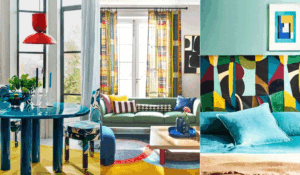
Modern interior design is also embracing bold colors and textures to add personality and depth to spaces. Instead of sticking only to neutral tones, designers are now incorporating vibrant accents and rich materials.
Deep blues, emerald greens, and warm earthy tones are often used as statement colors. These shades can be applied through walls, furniture, or decorative elements to create visual interest and emotional impact within a room.
Textures such as velvet, marble, and woven fabrics enhance the sensory experience of interiors. Combining different textures adds dimension and richness, making spaces feel more dynamic and visually engaging.
Conclusion
Modern interior design is constantly evolving to meet changing lifestyles and preferences. It blends aesthetics, functionality, and innovation to create meaningful living environments that enhance daily life.
By embracing trends such as minimalism, sustainability, and smart technology, homeowners can design spaces that are not only beautiful but also practical and future-ready.
Image Information Source:
First Image: luxurylifestylemag.co.uk
Second Image: citragardenbintaro.com