Smart cities, powered by technology and data, aim to address these issues while improving quality of life.
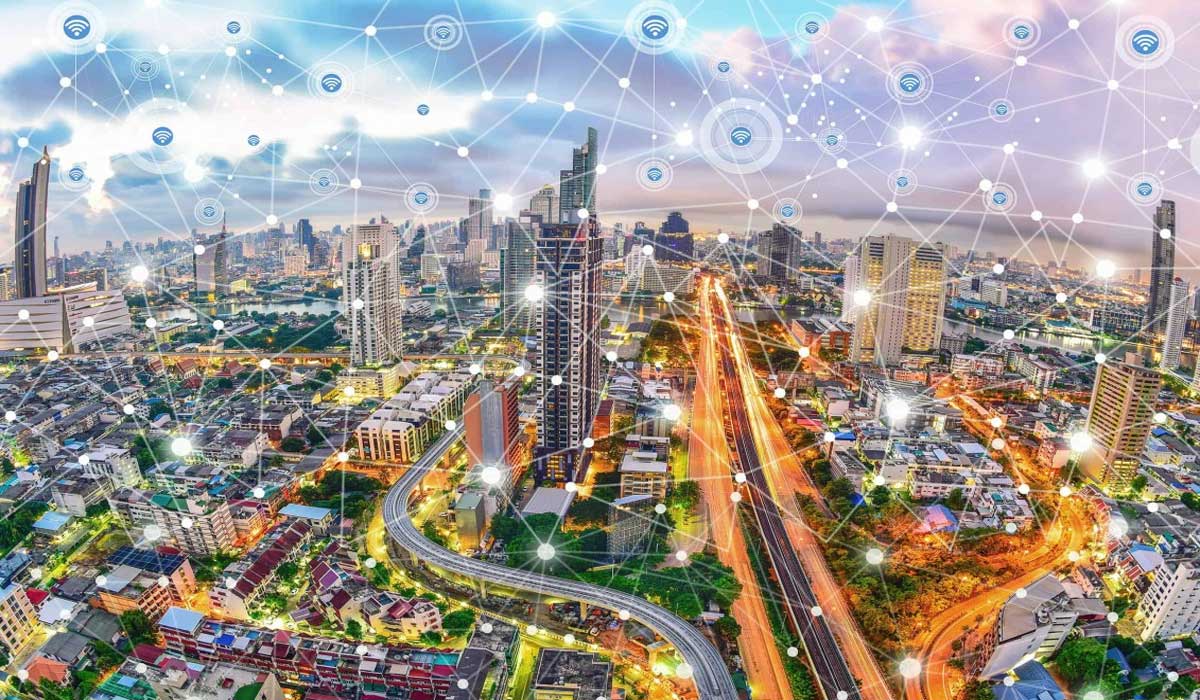
By integrating digital infrastructure with urban planning, these cities promise safer, more sustainable, and more efficient living environments. Below we will Urban Living Insight provide a guide to the key trends that will shape homes in the coming year.
The Concept of Smart Cities
Smart cities use technology to optimize urban services and infrastructure. From traffic management systems to intelligent energy grids, these innovations help cities run more efficiently. Sensors, IoT devices, and data analytics allow real-time monitoring, enabling quick responses to urban challenges.
The goal is not just efficiency but also sustainability and improved quality of life. Smart cities aim to reduce waste, cut emissions, and enhance public services. By making cities more responsive and adaptive, technology transforms how residents experience daily life.
Technology Driving Urban Transformation
The Internet of Things (IoT) plays a crucial role in smart city development. Connected devices provide data on traffic patterns, energy use, and public safety, enabling informed decision-making. Cities can adjust street lighting, manage water supply, or optimize waste collection based on real-time insights.
Artificial intelligence (AI) further enhances urban management. Predictive analytics can forecast congestion or energy demand, helping authorities plan proactively. With these technologies, cities can become not only more efficient but also safer, cleaner, and more resilient.
Sustainable Development and Smart Cities
Sustainability is a core principle of smart urban planning. Smart cities focus on renewable energy, green spaces, and eco-friendly transportation. Solar-powered infrastructure, electric buses, and smart grids reduce environmental impact while maintaining urban growth.
Urban planners also leverage technology to monitor pollution and resource usage. Data-driven strategies allow cities to balance expansion with environmental preservation. Residents benefit from cleaner air, energy savings, and healthier lifestyles, demonstrating how smart cities integrate innovation with sustainability.
Read Also: Transforming Urban Living Spaces Through Modern Interior Design
The Future of Transportation
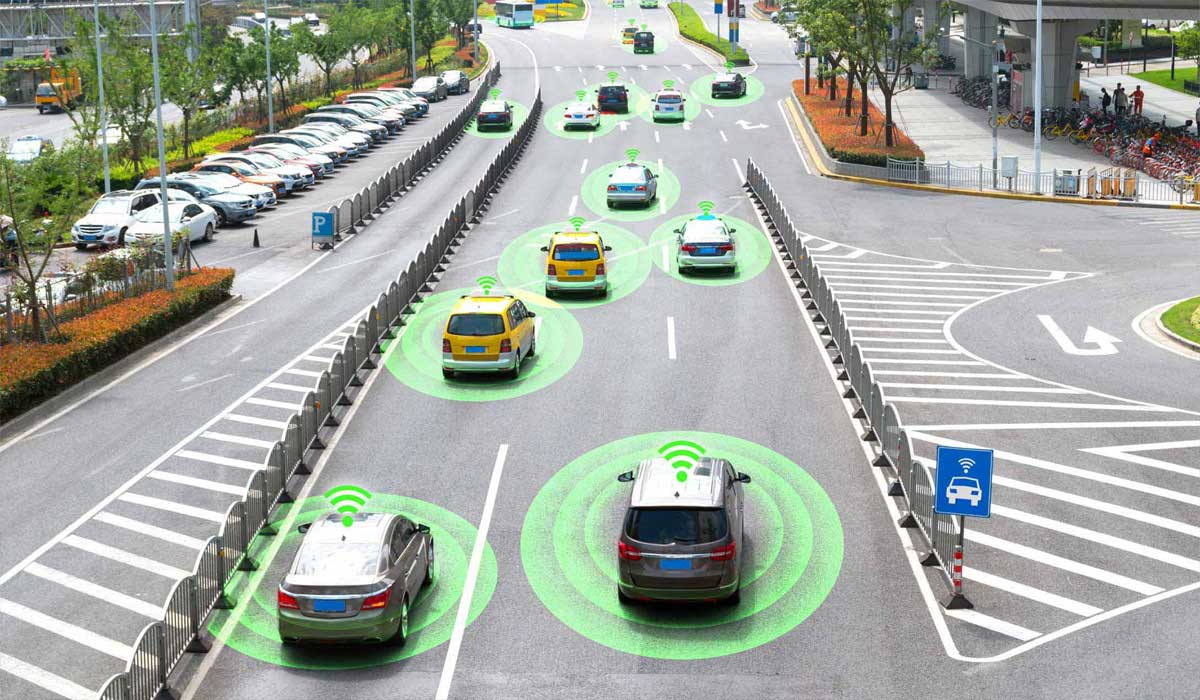
Transportation is one of the most visible aspects of smart cities. Connected traffic signals, autonomous vehicles, and real-time transit apps improve mobility while reducing congestion. Public transport systems become more efficient and accessible with technology integration.
Additionally, smart cities promote alternative transport modes like cycling and ride-sharing. Data analytics optimize routes and schedules, minimizing travel time. These innovations not only make commuting easier but also encourage sustainable travel habits, shaping a more eco-conscious urban population.
Citizen Engagement and Urban Living
Smart cities are not just about technology; they rely on citizen participation. Mobile apps, digital platforms, and open-data initiatives empower residents to report issues, access services, and contribute to urban planning.
Engaging citizens fosters a sense of ownership and community. Technology allows cities to respond directly to residents’ needs, making governance more transparent and inclusive. In the future, cities will thrive when technology and human input work together, creating vibrant, efficient, and adaptive urban environments.
Image source:
- First image from: bernardmarr.com
- Second image from : geotab.com