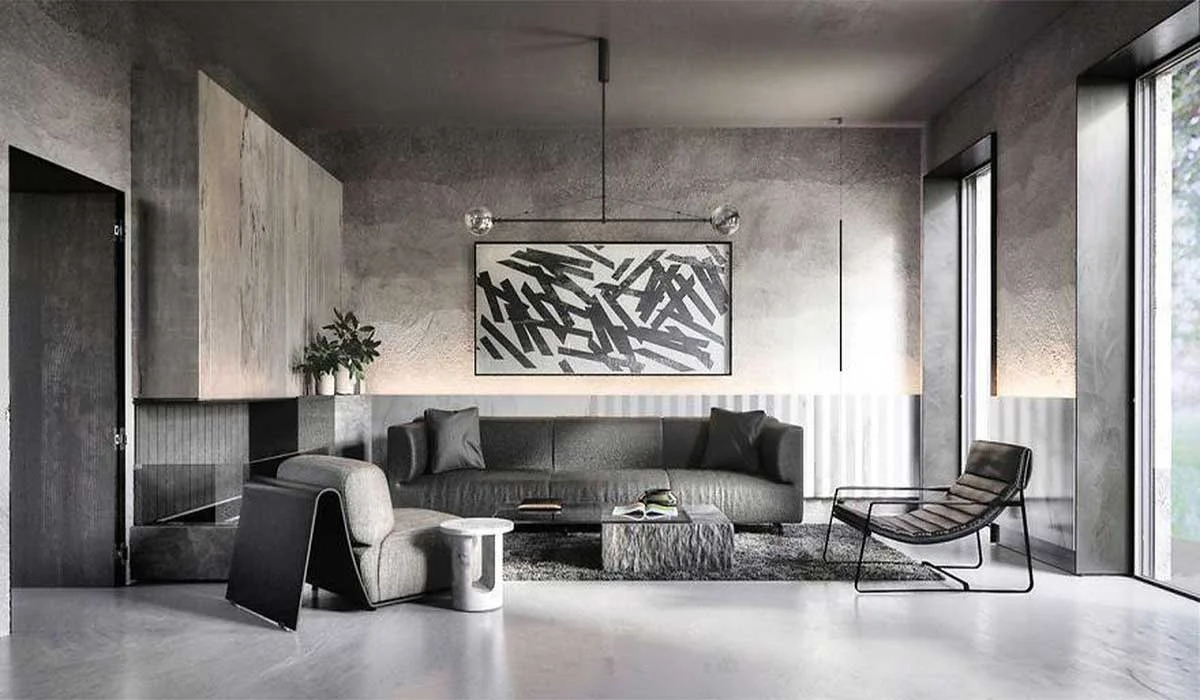
Urban living continues to evolve as cities grow denser and lifestyles become more dynamic, reshaping the way people experience comfort.
Modern interior design responds to this shift by creating homes that are functional, expressive, and emotionally engaging, transforming limited spaces into inspiring environments that support comfort, productivity, and personal identity. Check out the complete facts about Interior Decoration and Design, only at Urban Living Insight.
The Philosophy of Modern Urban Interior Design
Modern interior design is rooted in simplicity, clarity, and purpose. Every element is carefully considered to balance aesthetics and function, allowing urban homes to feel spacious despite physical limitations. Clean lines and thoughtful layouts define this design philosophy.
In urban settings, design becomes a strategic tool. Furniture placement, lighting, and circulation are optimized to support daily activities without overcrowding the space. This approach ensures that homes remain practical while still visually appealing and contemporary.
Beyond function, modern design reflects lifestyle values. It emphasizes openness, adaptability, and efficiency, aligning with the fast-paced rhythm of city life. A well-designed interior becomes a personal sanctuary amid the urban hustle.
Space Optimization And Smart Layout Solutions
Limited space is a common challenge in urban homes. Modern interior design addresses this through intelligent layouts that maximize every square meter. Open-plan concepts reduce visual barriers and create seamless transitions between living, dining, and kitchen areas.
Multifunctional furniture plays a crucial role in space optimization. Foldable tables, modular sofas, and built-in storage allow rooms to serve multiple purposes without sacrificing comfort or style. This flexibility supports changing daily needs.
Vertical space is equally important. Shelving, wall-mounted cabinets, and tall storage units help keep floors clear while increasing capacity. By thinking vertically, designers transform small interiors into organized, breathable living environments.
Material Selection And Contemporary Aesthetics
Material choice defines the character of a modern interior. Urban homes often feature a mix of natural and industrial materials, such as wood, metal, glass, and concrete, creating a refined yet warm atmosphere that feels both modern and timeless.
Color palettes tend to be neutral, allowing spaces to feel calm and cohesive. Whites, greys, and earth tones form a flexible base, while textures and subtle contrasts add depth and visual interest without overwhelming the room.
Decorative elements are used selectively. Rather than excess ornamentation, modern design highlights quality craftsmanship, statement pieces, and meaningful details. This restrained approach enhances elegance and ensures long-term aesthetic relevance.
Read Also: Dynamics of Urban Life: Between Opportunities and Challenges
Integrating Technology And Sustainable Design
Technology is integral to modern urban living. Smart lighting, climate control, and integrated appliances enhance comfort while improving energy efficiency. These systems allow residents to personalize their environment with minimal effort and maximum convenience.
Sustainability is no longer optional in interior design. Eco-friendly materials, energy-saving fixtures, and durable furnishings reduce environmental impact while supporting healthier indoor living. Modern interiors increasingly reflect responsible design choices.
By combining technology and sustainability, urban homes become future-ready. Design is not only about appearance but also about performance, longevity, and environmental awareness, aligning interiors with global lifestyle transformations.
Redefining Urban Homes Through Design
Modern interior design transforms urban homes into efficient, expressive, and comfortable living spaces. Through thoughtful planning and aesthetic restraint, designers overcome spatial limitations and create environments that support both function and emotional well-being.
The success of urban interior design lies in balance. By integrating layout efficiency, material harmony, technology, and sustainability, modern homes become adaptable spaces that evolve with their occupants and urban lifestyles.
Ultimately, transforming urban living spaces is about enhancing quality of life. Modern interior design and decoration redefine how city dwellers experience home, turning compact spaces into meaningful, inspiring places to live.
Thank you for taking the time to find out interesting information about Interior Decoration & Design at Urban Living Insight, we will provide lots of other information.
Image Information Source:
First Image from: xanaxbuy.us
Second Image from: xanaxbuy.us