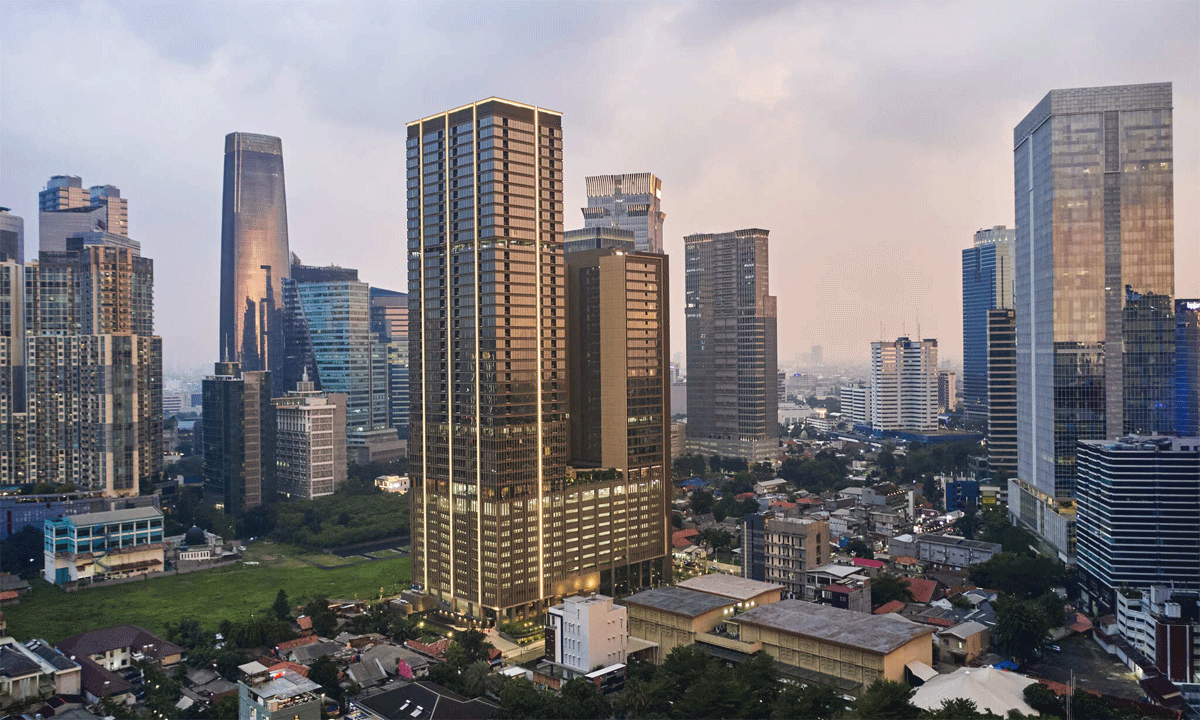
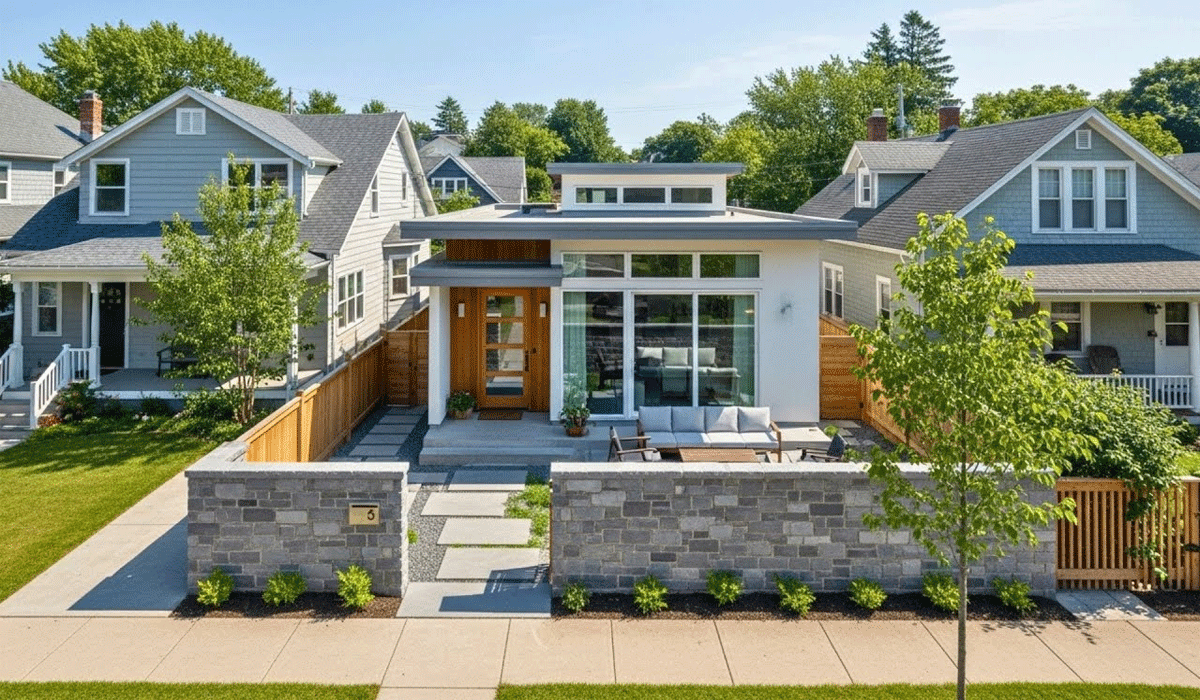
The development of modern cities has brought about significant changes in the way people live their daily lives, including in choosing comfortable.
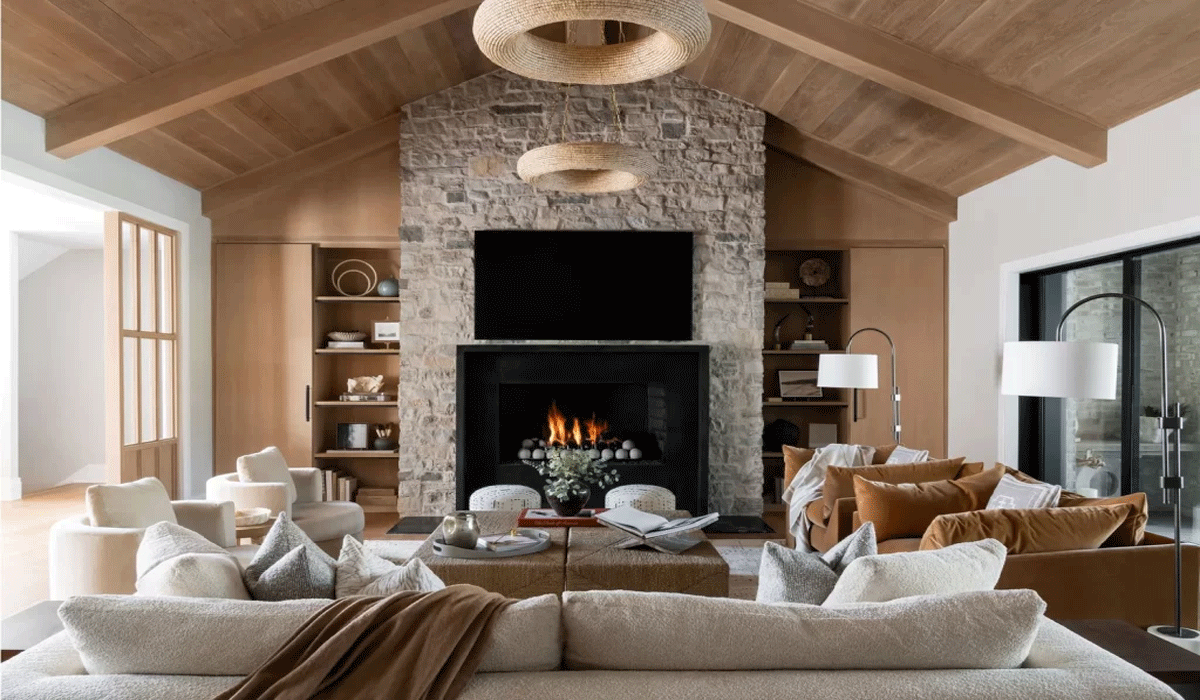
Amidst the bustle of urban activities, people now seek homes not only as a place to rest, but also as a space to support productivity, a modern lifestyle, and a balanced life. Homes today have evolved into a representation of comfort, technology, and aesthetics that align with the needs of modern humans.
With increasingly limited land in urban areas, the concept of urban housing presents itself as a smart solution that combines space efficiency, natural touches, and digital technology in a harmonious design. This article Urban Living Insight will discuss how today’s urban home inspiration can shape a more comfortable, efficient, and sustainable city lifestyle.
The Evolution of Modern Urban Living Spaces
Modern urban housing is no longer just about having a roof over your head. Today’s city homes are designed to support fast-paced lifestyles while maintaining comfort and efficiency. Many urban residents prefer minimalist home designs because they make small spaces feel larger and more organized. Smart furniture such as foldable tables, hidden storage beds, and modular shelves help homeowners maximize limited space without sacrificing style.
Technology also plays a big role in shaping modern homes. Smart home systems allow residents to control lighting, security, and energy usage using mobile devices. This technology not only improves convenience but also helps reduce electricity bills over time. Many young professionals in cities are now investing in smart living solutions because of their practicality and modern appeal.
In terms of architecture, modern urban homes usually use simple and clean designs. Neutral colors like white, gray, and beige are commonly used because they give a fresh and elegant look. Large windows are also popular since they allow natural light to enter the house, making small urban homes feel more spacious and comfortable for daily living.
Bringing Nature Back to Busy City Life
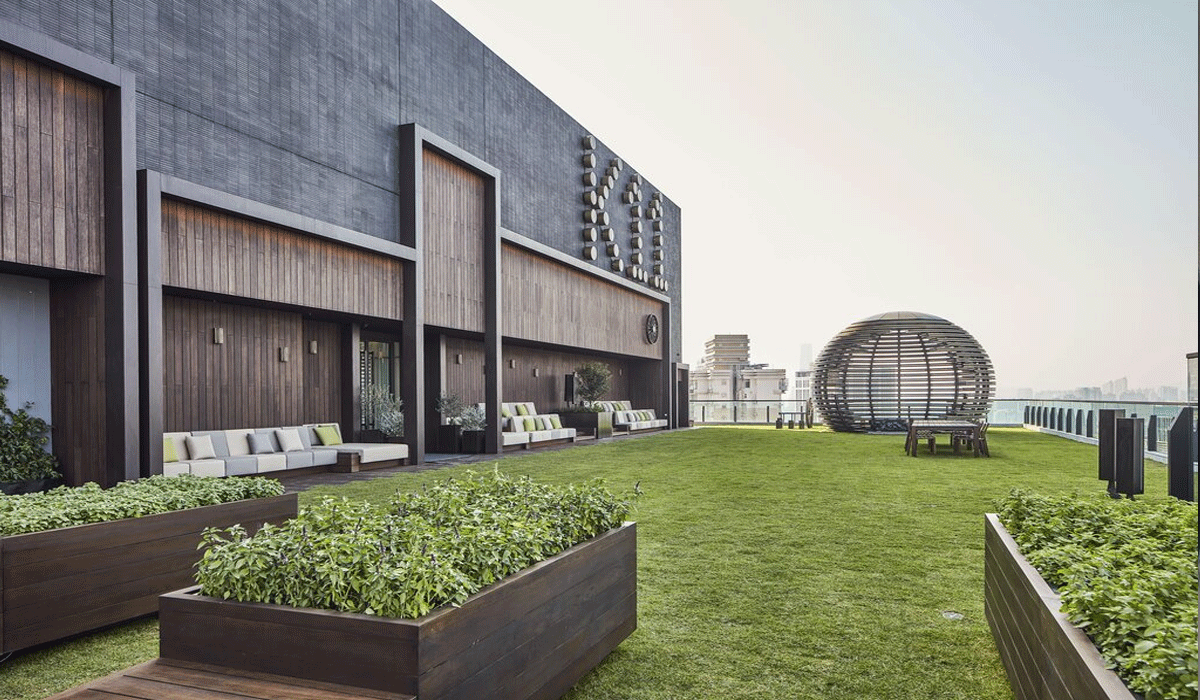
Living in crowded cities often makes people feel disconnected from nature. Because of this, many modern housing developments now include green spaces inside homes. Small indoor plants, vertical gardens, and balcony gardens are becoming popular among urban homeowners who want a touch of nature in their living environment.
Green spaces are not only about beauty but also about health benefits. Plants help improve air quality by reducing dust and pollution inside homes. This is very important for people living in big cities where air pollution is a growing problem. Having indoor plants can also create a more relaxing atmosphere after long working hours.
In addition, caring for plants can become a simple and enjoyable hobby. Many families use gardening as a way to spend quality time together. Even small green corners inside apartments can help reduce stress and improve mental well-being. This trend shows that modern urban living is slowly becoming more balanced between technology and nature.
Read Also: Urban Living Insights: Smart Investments in the Heart of the City
Smart Technology Making City Homes More Efficient
Technology has changed how people manage their homes in modern cities. Smart home devices allow homeowners to automate daily tasks such as turning lights on and off, controlling air conditioning, and monitoring home security. This makes life easier, especially for busy workers who spend most of their time outside.
Home security is one of the biggest concerns in urban areas. Modern homes now use digital door locks, CCTV cameras, and motion sensors to improve safety. These systems can be connected to smartphones, allowing homeowners to check their houses anytime and anywhere. This gives residents greater peace of mind when traveling or working late.
Energy efficiency is also an important part of smart homes. Many modern houses use LED lighting and energy-saving appliances to reduce environmental impact. Some homes even use solar panels to generate electricity. These technologies help create sustainable urban living while saving long-term household costs.
Building Strong Communities in Urban Housing
Urban housing is not only about individual homes but also about social life. Many modern residential areas provide shared facilities such as playgrounds, fitness centers, and community halls. These spaces help neighbors interact and build stronger social relationships.
Living in a community environment helps reduce the loneliness that sometimes comes with city life. Residents can participate in neighborhood activities, social events, and community programs. This creates a more friendly and supportive living environment for families and young professionals.
Good urban communities also provide easy access to essential services. Shopping centers, hospitals, and public transportation are usually located near residential areas. This convenience makes urban living more practical and time-efficient for busy city workers.
The Future of Urban Living
The future of urban housing will continue evolving with lifestyle and technology changes. People are now looking for homes that are not only comfortable but also environmentally friendly. Sustainable building materials and energy-efficient designs are becoming more important in modern construction.
Developers are also focusing on creating smarter cities with integrated housing systems. Future homes may have more automated features that help residents manage their daily activities. This will make urban living more convenient and efficient.
Ultimately, modern urban homes represent more than just buildings. They reflect lifestyle, comfort, technology, and sustainability. As cities continue growing, the concept of urban housing will keep adapting to meet human needs while improving quality of life for future generations.