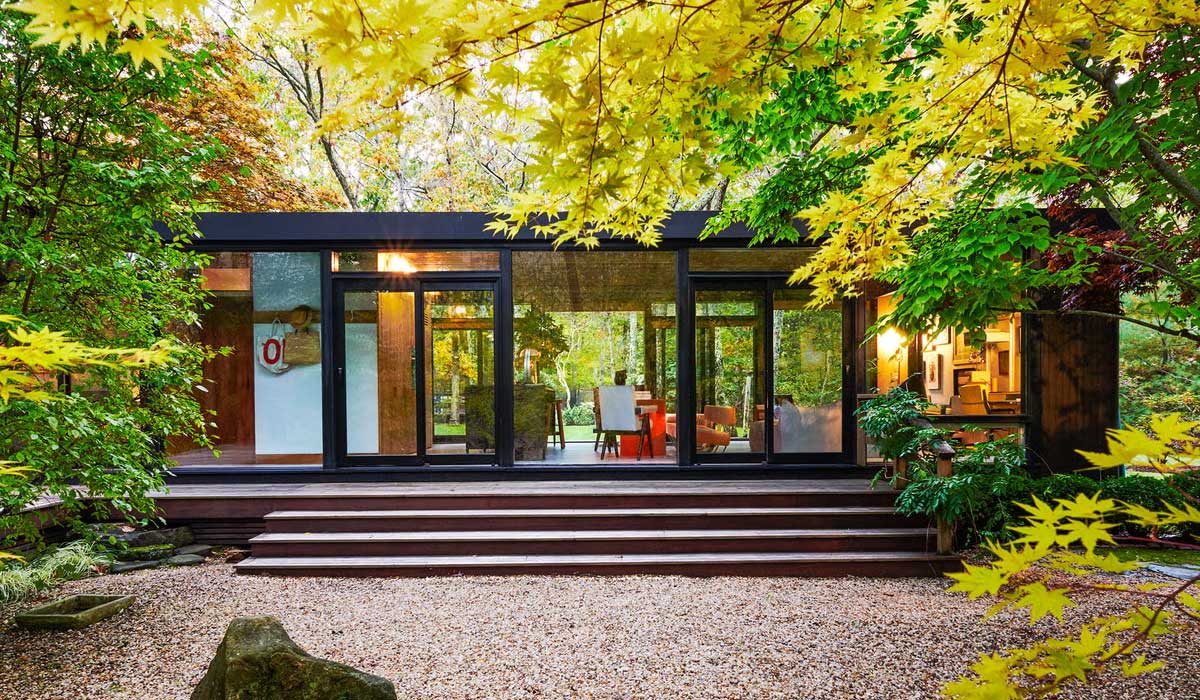
With the rapid growth of modern cities, the way people choose where to live has also changed.
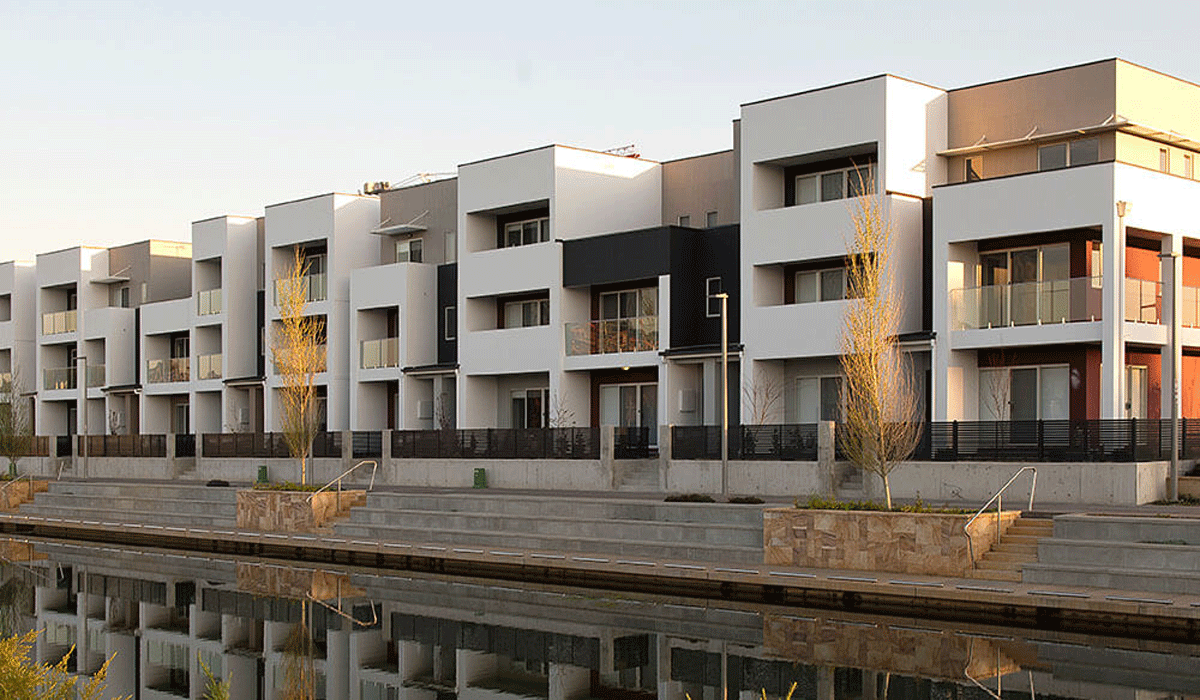
Urban life demands housing that is not only comfortable but also supports a healthy, productive, and efficient lifestyle. Modern housing is the answer to these needs, combining modern design, smart technology, and an environment that supports the quality of life for city dwellers.
The following Urban Living Insight will provide a modern urban lifestyle that goes beyond residential design. Fashion has also become part of everyday expression, where people want to stay stylish and radiant despite their busy schedules in the fast-paced city environment.
Smart Design for Better Living
Modern urban housing focuses on creating homes that are both beautiful and practical. Simple and minimalist designs are very popular because they make small spaces feel bigger and more comfortable. Many housing developers now use smart layouts that help maximize every corner of the house. This approach allows families to enjoy comfortable living spaces even in limited urban land areas.
In addition to design, construction materials play an important role in urban homes. Durable and eco-friendly materials are now widely used because they provide long-term safety and reduce maintenance costs. Energy-efficient materials also help homeowners save money on electricity bills while supporting environmental sustainability. These improvements make urban homes more valuable over time.
Technology is also becoming a key part of modern urban housing. Many houses now include digital security systems, automatic lighting, and smart energy control. These features make daily life easier and safer for residents. As technology continues to grow, homes in urban areas will become more intelligent and convenient for modern lifestyles.
Healthy Environment Inside the City Lifestyle
Urban housing is not only about buildings but also about healthy surroundings. Green spaces such as parks, walking paths, and community gardens help residents stay active and relaxed. These areas provide opportunities for exercise and social interaction. For busy city residents, having access to nature inside residential areas helps reduce stress and improve mental health.
Good homes also need proper air circulation and natural lighting. Houses with good ventilation allow fresh air to enter easily, reducing humidity and improving indoor air quality. Natural sunlight helps improve health while reducing the use of artificial lighting during the day. This also supports energy conservation and lowers household expenses.
Social interaction is another important part of urban living. Community spaces such as playgrounds and multipurpose halls help neighbors build stronger relationships. Strong communities create safer living environments for families and children. Urban housing is now designed not only for individual comfort but also for community harmony.
Read Also: Property & Real Estate Guide for Smart Investment and Dream Homes
Urban Housing Supporting Work
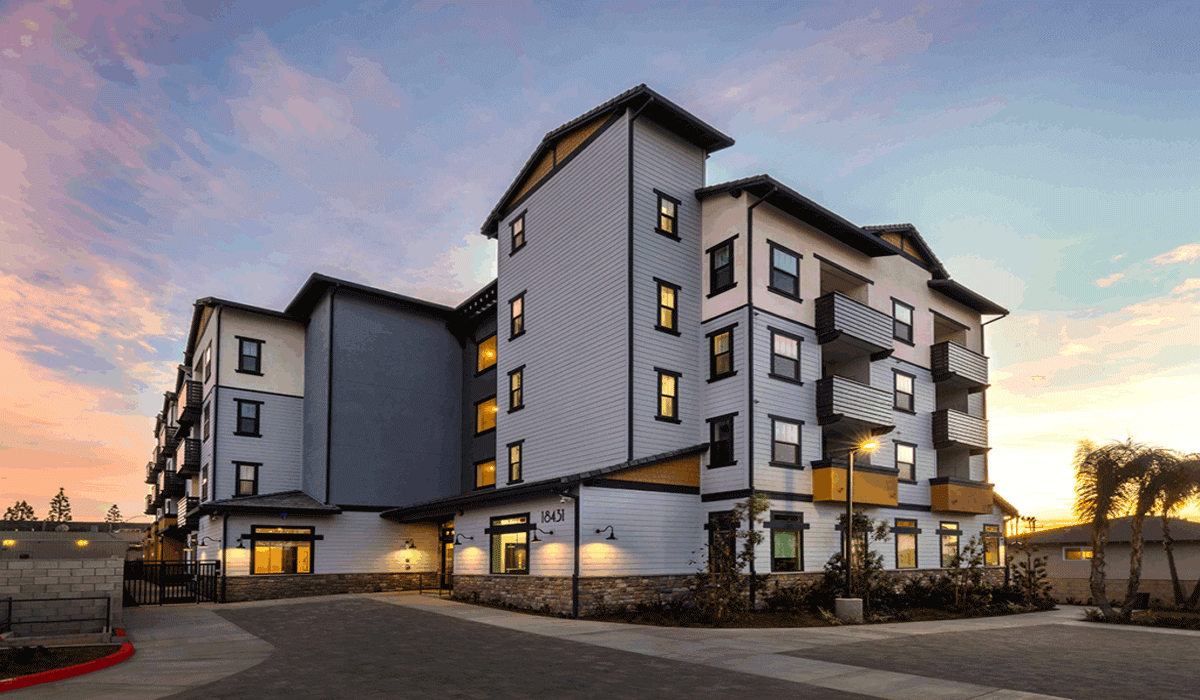
Many modern urban houses are now designed to support work-from-home lifestyles. Dedicated home offices help people stay productive while working in a comfortable environment. A quiet workspace inside the home helps improve focus and work efficiency. This is especially important in modern city life where remote work is becoming more common.
Location is also an important factor when choosing urban housing. Homes located near business centers, schools, and hospitals provide better access to daily necessities. Shorter travel time helps residents save energy and spend more time with family. This improves overall life satisfaction in busy cities.
Good urban housing planning also reduces noise pollution. Proper building design can block outside noise from traffic and city crowds. A peaceful home environment helps workers stay focused and reduces daily stress. This makes urban housing a perfect balance between work and lifestyle.
Smart Technology and Future City Homes
Future urban housing will be strongly influenced by technology. Smart home systems will continue to grow and become more advanced. Automatic home controls, voice commands, and smart security systems will make homes more convenient. Technology will help residents manage daily activities more efficiently.
Renewable energy will also become more common in urban housing. Solar panels and energy-saving systems are being used to reduce environmental impact. Water recycling and smart waste management systems will also support sustainable living. These innovations help protect the environment while improving living quality.
Housing design will continue to change according to lifestyle needs. Future homes may become more flexible and adaptable. Modular house designs will allow homeowners to modify their spaces easily. This flexibility will become an important trend in future urban living.
The Future of Urban Living and Quality of Life
Urban housing is not just about providing shelter but improving quality of life. Modern design, healthy environments, and smart technology work together to create better living spaces. Urban homes support productivity, comfort, and social connections.
As cities continue to grow, housing innovation will become more important. Sustainable development will help balance human needs and environmental protection. Urban housing will remain a key solution for modern society.
In the future, urban living will focus on comfort, efficiency, and sustainability. City homes will become smarter, greener, and more comfortable. Urban housing will continue to be the best choice for modern generations who want balance between work, family, and lifestyle.