Cities attract millions with promises of economic opportunity, cultural vibrancy, and convenience.
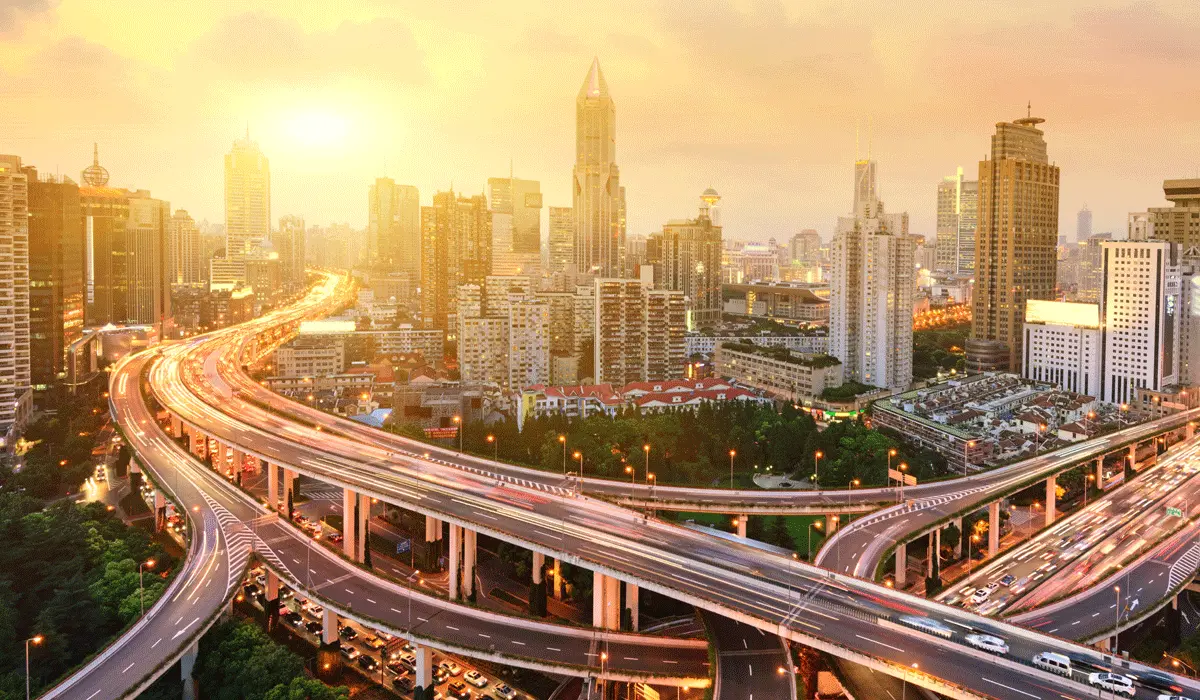
Understanding these dynamics helps residents and policymakers navigate city life more effectively, creating environments that foster growth, well-being, and sustainable living. Below Urban Living Insight will provide interesting information that you must know.
Population Density and Housing Challenges
Cities are known for their high population density, which can strain housing availability. As urban populations grow, finding affordable and adequate housing becomes increasingly difficult. Overcrowded living conditions often lead to social stress and reduced quality of life.
Urban planners face the challenge of balancing residential needs with commercial development. Smart zoning policies, mixed-use developments, and investment in public housing are some strategies that can help address these challenges, ensuring cities remain livable for all income groups.
Transportation and Mobility
Efficient transportation is crucial for urban life, but congestion and traffic jams are common problems. Many city dwellers spend significant hours commuting, which affects productivity and overall well-being. Public transport systems are often under pressure, leading to overcrowding and delays.
Innovative mobility solutions, such as bike-sharing programs, electric scooters, and improved metro systems, present opportunities for more efficient movement. Encouraging sustainable transportation reduces pollution, enhances accessibility, and supports healthier lifestyles among urban residents.
Environmental Concerns
Urbanization contributes to environmental challenges such as air pollution, waste accumulation, and reduced green spaces. Cities often face heat island effects due to dense construction, which can exacerbate health issues during extreme weather.
On the positive side, cities provide opportunities to implement large-scale environmental initiatives. Urban farming, green roofs, renewable energy adoption, and efficient waste management systems can mitigate negative impacts and create more sustainable urban environments.
Read Also: Decoration & Interior Design Ideas to Transform Your Living Space
Economic and Employment Opportunities

Cities serve as hubs for economic growth and job creation. Urban areas offer diverse employment opportunities, higher wages, and access to markets, which attract professionals, entrepreneurs, and students. The concentration of businesses, educational institutions, and innovation centers fosters creativity and collaboration.
However, economic opportunities come with competition. Income inequality can be stark in urban settings, creating social divides. Supporting inclusive economic policies, workforce training, and small business development ensures more equitable benefits from city growth.
Conclusion
Urban living is a complex mix of challenges and opportunities. While population density, transportation, environmental concerns, and inequality pose significant hurdles, cities also offer economic prospects, cultural richness, and avenues for innovation.
By addressing challenges through sustainable planning, inclusive policies, and community engagement, urban life can become more balanced, productive, and enjoyable for all residents. Embracing both the difficulties and potential of city life allows individuals and societies to thrive in the modern urban era.
Image Information Source:
- First Image of blog.binomoidr.com
- Second Image of linkedin.com