Property investment is considered a stable way to build long-term wealth, as real estate can grow in value and generate rental income.
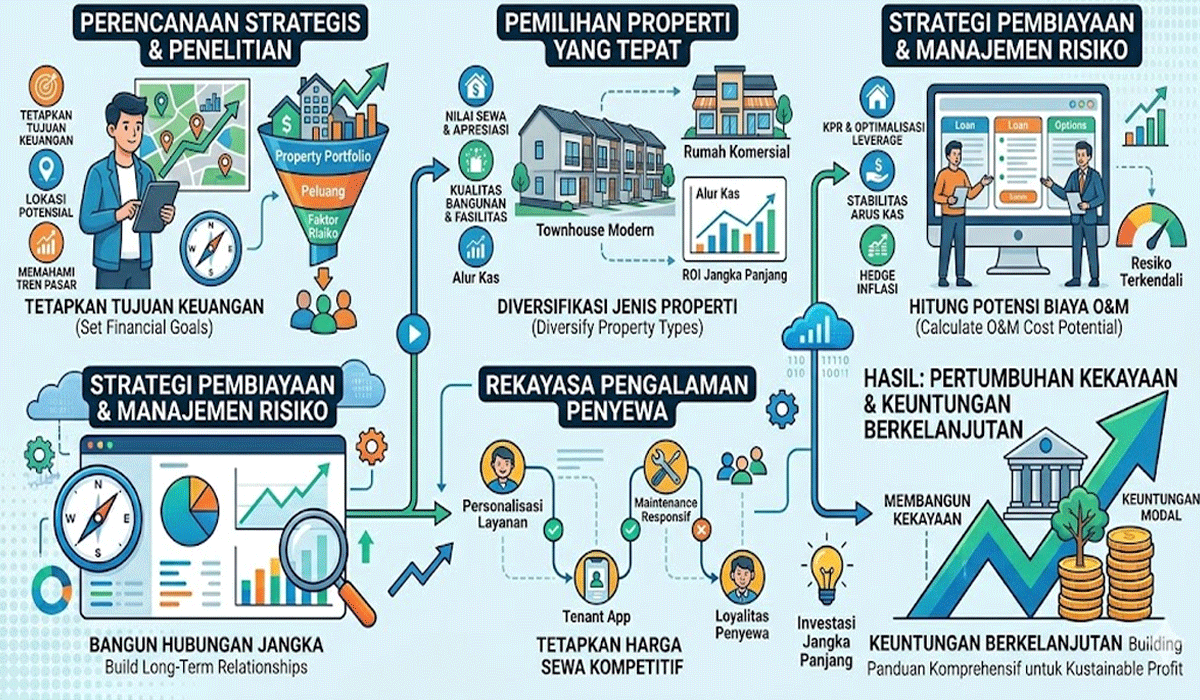
However, achieving long term profit in property investment requires more than just buying a building or land. It demands planning, research, patience, and a clear understanding of market behavior.
Many beginners enter property investment with the expectation of quick returns, but the reality is different. Success in this field is usually built over years, not weeks or months.
This Urban Living Insight guide will explores practical approaches to property investment that can help create long term profit, focusing on planning, location selection, financial management, and strategic thinking.
Understanding the Basics of Property Investment
Property investment involves purchasing real estate with the goal of generating financial returns over time. This can come from rental income, property value appreciation, or both.
Unlike other investments that may fluctuate rapidly, real estate tends to move in longer cycles. This means investors need patience and a long term mindset to see meaningful results.
Understanding these basics helps investors avoid unrealistic expectations and focus on sustainable growth instead of quick gains.
Choosing the Right Location for Growth
Location is one of the most important factors in property investment success. A good location can significantly increase property value over time, while a poor one can limit growth potential.
Areas with developing infrastructure, strong job markets, and growing populations often provide better long term opportunities. Accessibility, safety, and nearby facilities also play a major role.
Investing in the right location is not about following trends but about analyzing future potential and long term demand.
Read Also: Interior Material Combinations That Make Your Home More Stylish
Evaluating Property Value and Potential
Before investing, it is important to evaluate the actual value of a property and its future potential. This includes checking market prices, comparing similar properties, and understanding historical price trends.
A property that looks cheap may not always be a good investment if it lacks growth potential. On the other hand, slightly higher priced properties in strategic areas may offer better long term returns.
Careful evaluation helps reduce risk and ensures that investment decisions are based on data rather than assumptions.
Managing Finances Wisely
Financial planning is a key part of successful property investment. Investors should always understand their budget, loan options, and long term financial commitments before purchasing a property.
Overextending financially can create stress and limit flexibility in future investments. A balanced approach helps maintain stability even when market conditions change.
Smart financial management allows investors to hold properties longer, which is often essential for long term profit.
Focusing on Long Term Appreciation
Property investment works best when approached with a long term perspective. Property value typically increases over time, especially in growing areas with strong demand.
Short term price fluctuations should not be the main concern. Instead, investors should focus on overall growth trends and long term market direction.
Patience is a key factor in realizing the full potential of property appreciation.
Understanding Rental Income Opportunities
Rental income is another important aspect of property investment. A well located property can generate steady monthly income, helping offset costs such as loans or maintenance.
However, rental success depends on demand, property condition, and pricing strategy. Proper management ensures consistent occupancy and stable cash flow.
Combining rental income with long term appreciation creates a stronger and more balanced investment strategy.
Avoiding Emotional Investment Decisions
One of the biggest mistakes in property investment is making decisions based on emotion rather than analysis. Buying property because of excitement or pressure can lead to poor outcomes.
Investors should always rely on research, planning, and objective evaluation before making decisions. Emotional control helps maintain discipline and reduces unnecessary risk.
A calm and rational approach is essential for long term success in real estate.
Conclusion
Smart property investment is not about quick profit but about long term planning and consistent decision making. Success comes from choosing the right location, managing finances carefully, and focusing on long term value rather than short term fluctuations.
By understanding market behavior and maintaining discipline, investors can build stable and sustainable wealth over time. The key is patience, research, and a clear long term strategy that supports steady financial growth.
First Image: xanaxbuy.us
Second Image: fastercapital.com